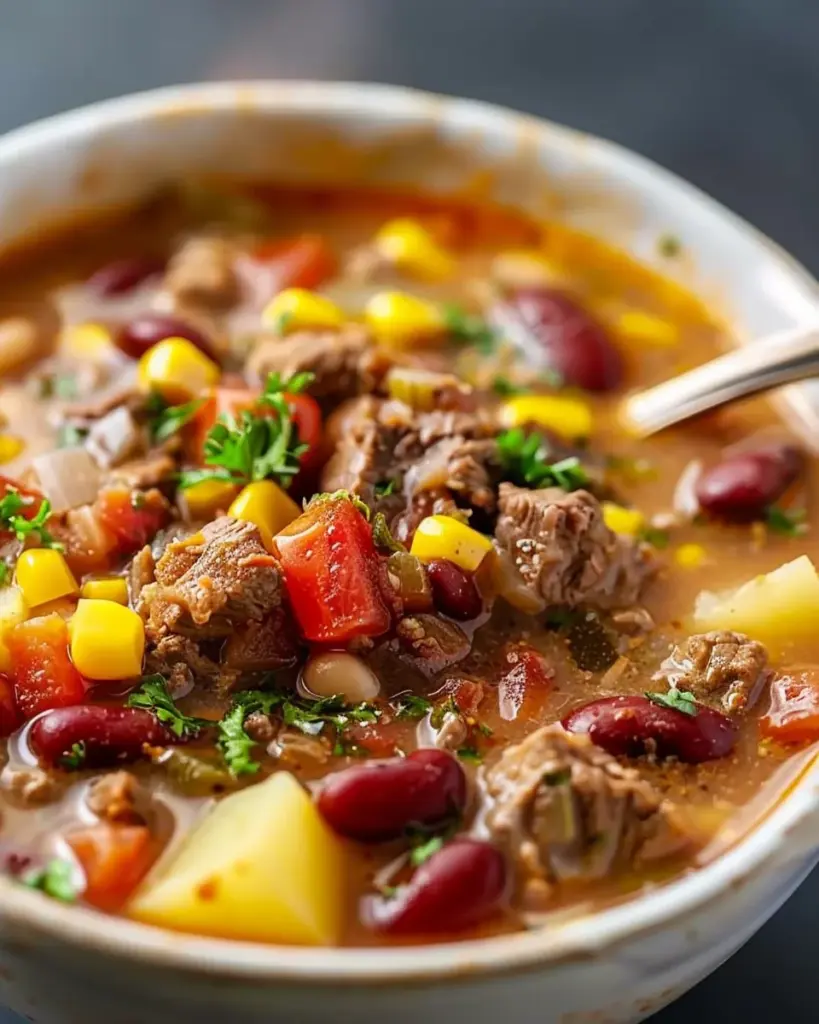
Hearty Cowboy Soup
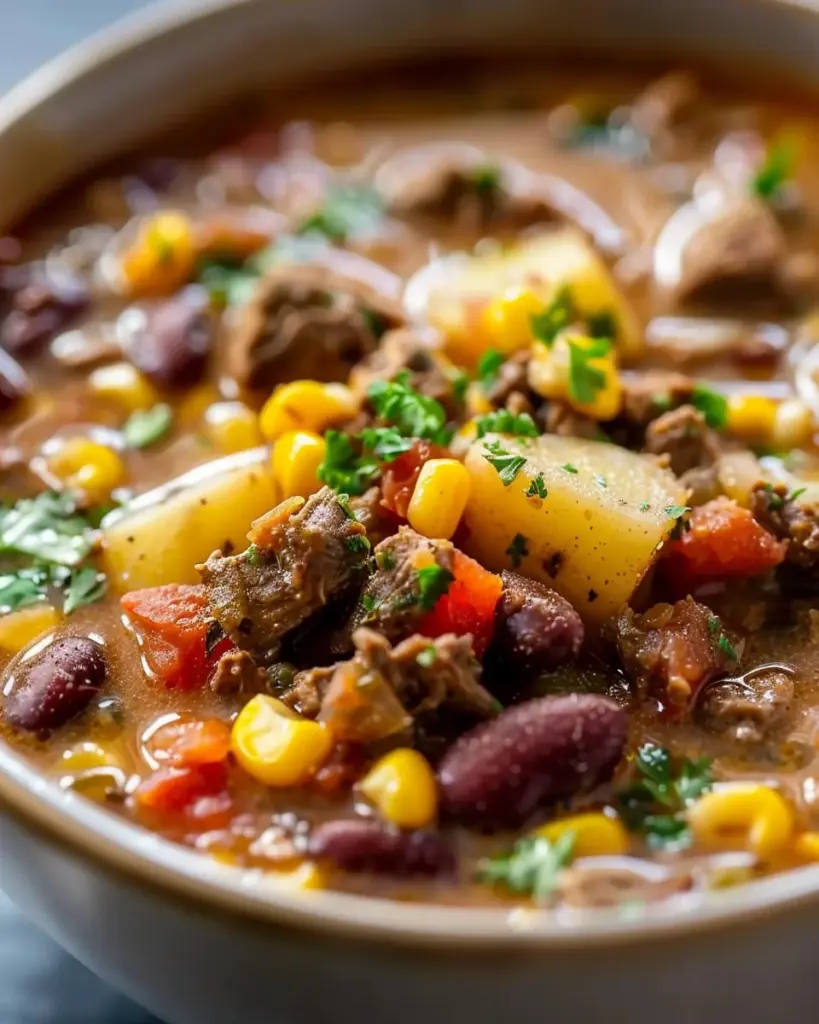
The Hearty Cowboy Soup dish is a vibrant, flavour‑rich creation that brings together fresh ingredients and bold seasonings in perfect harmony. This dish stands out because it strikes the balance between comfort and sophistication, making it ideal for weeknight dinners as well as weekend entertaining. Readers will love it because it is simultaneously approachable and impressive: the preparation is straightforward, yet the result feels special. Unique features of this dish include the way distinct textures and colours interplay, the aromatic garnish that elevates it, and the subtle twist on a classic flavour profile.
Why you will love this recipe
- It delivers big flavour with minimal fuss.
- It uses ingredients that are easy to source and work with.
- It offers versatility — you can tailor it for a casual meal or upscale presentation.
- It brings satisfaction: hearty enough to serve as a main, elegant enough to impress guests.
- It pairs well with many sides and complements a range of dietary preferences.
Preparation Phase & Tools to Use
Essential Tools and Equipment
- A good chef’s knife (sharp, comfortable grip) — critical for clean, efficient chopping and slicing.
- A sturdy cutting board — to protect your surfaces and help achieve uniform ingredients.
- A large skillet or sauté pan (non‑stick or well‑seasoned) — ensures even cooking and easy tossing.
- A mixing bowl — for combining ingredients or marinating, if needed.
- Measuring spoons and cups — for accuracy when adding seasonings and liquids.
- A spatula or wooden spoon — for stirring ingredients gently without damaging them.
- Optional: a garlic press or microplane (if finely minced garlic or zest is involved) — saves time and ensures flavour disperses evenly.
Importance of Each Tool
- The chef’s knife enables precision and speed, reducing prep time and improving safety.
- The cutting board gives a stable surface, helping maintain consistent sizes for even cooking.
- The skillet or sauté pan gives you control over heat distribution and accommodates the full volume of ingredients.
- The mixing bowl allows one‑step combining or marinating, which enhances flavour.
- Measuring tools promote consistency from one batch to the next, an important factor in recipe success.
- The spatula/wooden spoon lets you stir without scratching cookware or smashing delicate pieces.
- The optional garlic press/microplane helps integrate aromatics smoothly, lifting the dish’s flavour profile.
Preparation Tips
- Before you begin, read the recipe fully and ensure all ingredients are ready (mise en place).
- Wash and dry produce thoroughly; excess moisture may affect texture or splatter when cooking.
- Pre‑heat your pan gently but thoroughly so it’s hot enough to sauté without sticking.
- Chop ingredients to uniform sizes so everything cooks evenly.
- Measure liquids and spices ahead of time to avoid scrambling during cook time.
- Use fresh garlic, herbs or zest when possible for maximum aroma and brightness.
- Taste as you go — adjust seasoning slightly if your ingredients are particularly fresh or mild.
- If you need a variation (for example, vegetarian or gluten‑free), plan substitutions ahead of cooking.
Ingredients
Here is a clear and organized list of required ingredients:
- 2 cups of diced chicken breast or plant‑based substitute
- 1 medium , onion, finely chopped
- 2 cloves garlic, minced
- 1 teaspoon of ground cumin or paprika
- ½ teaspoon of red pepper flakes or smoked paprika
- 1 cup of diced bell pepper or zucchini
- 1 cup of chopped spinach or kale
- 1½ cups of cooked rice or quinoa
- ½ cup of chicken broth or vegetable stock
- 2 tablespoons of olive oil or avocado oil
- Salt and freshly ground black pepper, to taste
- Optional: fresh herb garnish chopped parsley, cilantro or basil
- Optional: a squeeze of lemon or lime juice for brightness
Step‑by‑Step Directions
Follow this clear sequence to prepare the dish, and explore tips or variations as you go:
- Prep all ingredients: Dice chicken breast, chop onion andbell pepper or zucchini, mince garlic, measure liquids and seasonings. Having everything ready helps ensure smooth execution.
- Heat the pan: Place your skillet over medium‑high heat, add oil I, and let it warm for about 1 minute until shimmering but not smoking.
- Sauté onion and garlic: Add the chopped onion and garlic to the hot oil. Cook for about 2‑3 minutes until the onion becomes translucent and fragrant. Stir occasionally to prevent burning.
- Add diced chicken breast: Introduce diced chicken (or substitute), and sauté for about 4‑5 minutes until it begins to brown and is nearly cooked through. If using a plant‑based protein, cook until heated through and lightly caramelized.
- Stir in vegetables bell pepper or zucchini and chopped spinach or kale: Add the bell pepper (or zucchini) and leafy green (spinach or kale). Cook for another 2‑3 minutes, until the vegetables soften but retain a little bite.
- Season: Sprinkle in ground cumin or paprika and red pepper flakes or smoked paprika, stir thoroughly to coat all elements. Add salt and pepper to taste. At this stage, you may adjust flavours: if you like more heat, add a pinch of extra red pepper flakes; if milder, reduce accordingly.
- Add chicken broth or vegetable stock and cooked rice or quinoa: Pour in the broth or stock, stir in the cooked rice or quinoa. Lower heat to medium‑low and allow everything to simmer gently for 2‑3 minutes so the flavours meld and the liquid is mostly absorbed.
- Finish and garnish: Remove from heat. If using, squeeze lemon or lime juice over the mixture for freshness. Sprinkle chopped fresh herbs on top.
- Serve immediately: Transfer the dish to serving bowls or plates while it’s hot. For variation: you can top with a dollop of yogurt or sprinkle with feta or vegan cheese if desired.
- Variation tip: To make this dish gluten‑free, ensure your broth/stock is certified gluten‑free. To make it vegetarian, swap chicken for firm tofu or chickpeas and use vegetable stock.
Serving Suggestions
Here are some ways to serve your Hearty Cowboy Soupdish to maximise appeal and tailor the experience:
- Transfer the dish into a warm serving platter and garnish with fresh herbs to add brightness and colour.
- Serve alongside a crisp green salad with a light vinaigrette to contrast rich flavours and provide freshness.
- Offer a wedge of lemon or lime on the side so each diner can add a squeeze of citrus for extra lift.
- For a more elegant presentation, spoon the dish into shallow bowls and top with a drizzle of olive oil and a sprinkle of finely chopped nuts or seeds for crunch.
- If you anticipate leftovers, portion the dish into individual ramekins and bake briefly in the oven to re‑heat and crisp up the top layer.
- Accompany with a chilled glass of lightly oaked white wine (or a sparkling water with lemon) to complement the herbal or zesty notes of the dish.
- Make it a shareable centre‑piece by serving family‑style: place large bowls on the table and let diners help themselves, encouraging conversation and casual dining.
- For a cozy dinner, serve directly from the skillet, placing it on a trivet in the centre so everyone digs in, holding hands and sharing comfort food vibes.
Common Mistakes To Avoid & How to Perfect the Recipe
- Avoid over‑cooking the vegetables: if they become mushy or lose their bright colour, the texture and appeal suffer. Instead, aim for tender‑crisp.
- Don’t skip the seasoning adjustments: ingredients vary in freshness and intensity—taste midway and tweak salt, pepper or spices as needed.
- Resist the urge to rush the sauté stage: ensuring onions or garlic are properly cooked before adding other ingredients builds foundational flavour.
- Avoid crowding the pan: when you overload your skillet, ingredients steam instead of sauté, and you lose caramelization and crisp edges.
- Don’t neglect resting time: letting the dish sit 1‑2 minutes after cooking allows flavours to meld and liquids to settle, giving a smoother finish.
- Never add too much liquid at once: if stock or broth is excessive, the dish may become watery. Pour cautiously and allow absorption.
- Beware of uneven chopping: pieces of wildly different size cook at different rates, leading to some underdone and some overdone — aim for uniformity.
- Avoid ignoring dietary adaptations: if guests have dietary needs (gluten‑free, vegetarian, etc), plan substitutions ahead so the dish works for everyone without compromising flavour.
Side Dish Recommendations
Here are eight excellent side dishes that complement Hearty Cowboy Soup. Each is presented as an H3 for clarity:
1. Crisp Roasted Green Beans with Almonds
A simple but elegant side: toss green beans in olive oil, season with salt/pepper, roast until tender‑crisp, then sprinkle with toasted sliced almonds. The crunch and fresh green flavour balance richer main dishes.
2. Lemon Garlic Quinoa Pilaf
Cook quinoa in vegetable stock, then stir in minced garlic, lemon zest and parsley. The light grain offers a nice base and the citrus echoes the finishing squeeze in the main dish.
3. Herbed Baby Potatoes with Sea Salt
Boil or steam baby potatoes until just tender, then toss with butter or olive oil, chopped fresh herbs (rosemary, thyme), and finish with flaky sea salt. The hearty potatoes add substance without overpowering.
4. Grilled Zucchini and Bell Pepper Medley
Slice zucchini and bell pepper into strips, brush lightly with olive oil, grill or pan‑sear until char‑marked, then season simply with salt, pepper and a splash of balsamic vinegar. The smoky vegetables add colour and flavour.
5. Mixed Greens & Feta Salad with Cucumber
Combine mixed salad greens, sliced cucumber, crumbled feta, and a dressing of olive oil, lemon juice and honey. The crisp salad introduces contrast, and the bright flavour keeps the meal balanced.
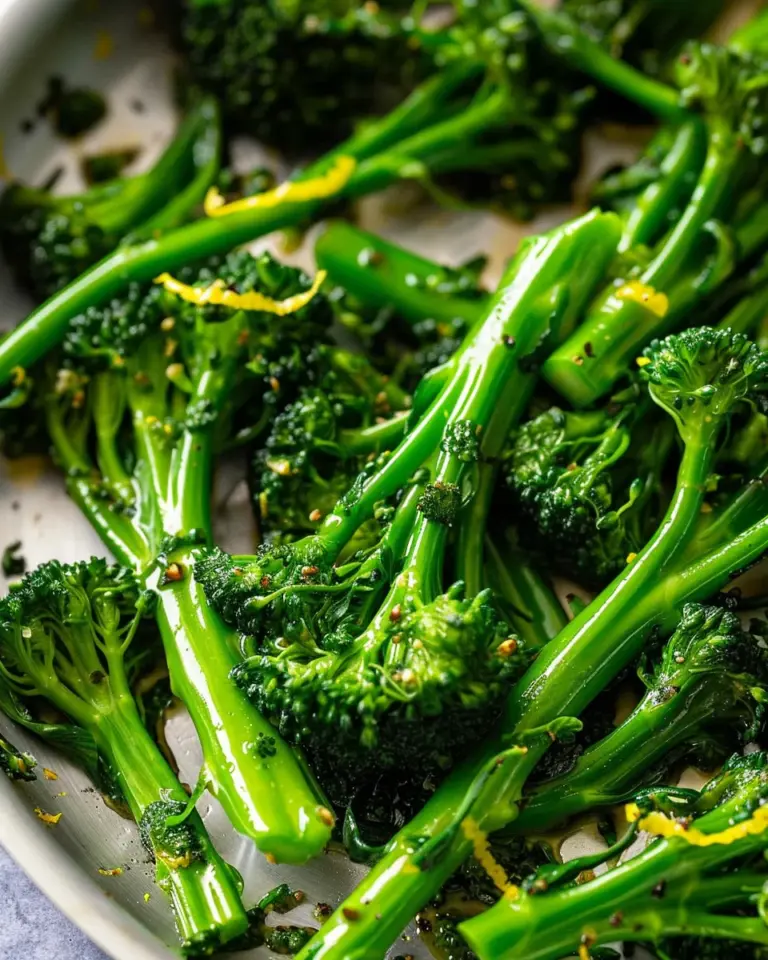
6. Garlic‑Infused Steamed Broccoli
Steam broccoli florets just until vibrant green and tender‑tight, then toss with olive oil, minced garlic and a squeeze of lemon. A clean, simple side like this complements without competing.
7. Warm Whole Grain Bread with Herb Butter
Serve slices of warm whole grain bread alongside a compound butter made with chopped fresh herbs, garlic and a pinch of sea salt. Great for mopping up any sauce or juices from the main dish.
8. Sweet Potato Fries with Rosemary
Cut sweet potatoes into fries or wedges, toss with olive oil, chopped rosemary, salt and pepper, then bake until crisp‑edged and golden. The sweet‑and‑savory profile plays nicely against the savoury main and adds a fun variation.
Recipe Tips, Storage & Reheating Instructions
Here are essential tips to get the most from your Hearty Cowboy Soup recipe — both right after cooking and for enjoying the leftovers later.
Recipe Tips
- Bookend your cooking with heat control. Begin on medium‑high to get good sauté colour, then reduce to medium or medium‑low when you add liquids so the dish simmers gently rather than boiling hard.
- Taste frequently. Since fresh ingredients vary (onion sweetness, pepper heat, herb intensity), checking halfway allows you to tweak salt, pepper or acidity (lemon/lime) for the right balance.
- Mind the texture. The bell pepper/zucchini (or your vegetable E) should stay slightly firm rather than floppy. If it overcooks, the dish loses contrast.
- Herbs matter. Add fresh herbs at the end, just before serving, rather than during cooking. This preserves their aroma and fresh flavour.
- Layer flavours. Sautéing garlic and onion first, then adding seasoning before liquids, builds depth rather than dumping everything at once.
- Adapt smartly. If you substitute a different staple (e.g., quinoa instead of rice) or protein (tofu instead of chicken), adjust the liquid and cook time accordingly. Quinoa may absorb less liquid; tofu may need less sautéing time.
- Avoid overcrowding the pan. If you add too large a volume, the ingredients steam rather than sauté and you lose texture and caramelisation.
- Use good‑quality oil and fresh aromatics. A decent olive oil and fresh garlic or zest will elevate the dish far more than using older, weaker ingredients.
Storage Instructions
- Cool quickly. After cooking, let the dish cool enough to stop steaming and then transfer into shallow containers. According to food‑safety guidelines, you should refrigerate within two hours to minimise bacterial growth.
- Refrigerate at proper temperature. Ensure your fridge is at or below 4 °C (40 °F) so that leftovers stay in the safe zone.
- Label and date the containers. Especially if you’ll keep the dish for more than one day, writing the date helps track freshness.
- Shelf‑life guidelines. For cooked dishes with protein and vegetables, aim to eat within 3‑4 days when stored in the fridge.
- Freezing option. If you plan to freeze leftovers, use freezer‑safe containers or bags, remove as much air as possible, and label with the date. Thaw in the refrigerator before reheating.
Reheating Instructions
- Bring to safe internal temperature. When reheating, the food should reach at least ~74 °C (165 °F) to ensure any bacteria are destroyed.
- Use the right container. Use microwave‑safe, oven‑safe or stovetop‑safe containers. Avoid heating foods in containers not designed for high heat (especially some plastics).
- Stir or rotate halfway. If using a microwave, stop halfway, stir or turn the dish, and allow it to stand after heating to ensure even temperature.
- Avoid reheating more than once. Especially for rice or high‑starch components, reheating repeatedly can increase risk of food‑safety issues.
- Check texture and flavour. After reheating, taste and adjust seasoning — some flavours may soften after storage, so you might want to add a squeeze of citrus or fresh herbs again.
FAQs
Q: Can I prepare this dish ahead of time and cook later?
A: Yes — you can chop and measure all ingredients ahead, cover and refrigerate for a few hours. When ready to cook, heat your pan and proceed. This mise en place saves time and keeps preparation efficient.
Q: Can I freeze leftovers of this dish?
A: Absolutely. Let it cool, portion it into freezer‑safe containers, label and freeze. Thaw overnight in fridge and reheat thoroughly before serving.
Q: How do I reheat without drying out the dish?
A: Add a splash of broth or water before reheating, cover the container loosely, and reheat gradually (either in oven, stovetop or microwave) to maintain moisture.
Q: What’s the best way to refresh leftovers flavour‑wise?
A: After reheating, add a fresh squeeze of lemon/lime, a sprinkle of chopped fresh herbs or even some grated zest. These additions restore brightness lost during storage.
Q: How do I know if leftovers have gone bad?
A: Discard the food if it’s been stored too long (beyond ~4 days refrigerated), smells off, shows mould or the texture has radically changed. When in doubt — throw it out.
Q: Is it safe to reheat in plastic containers?
A: Only if the container is clearly labelled microwave‑safe or heat‑safe. Otherwise, transfer to a safe container before reheating.