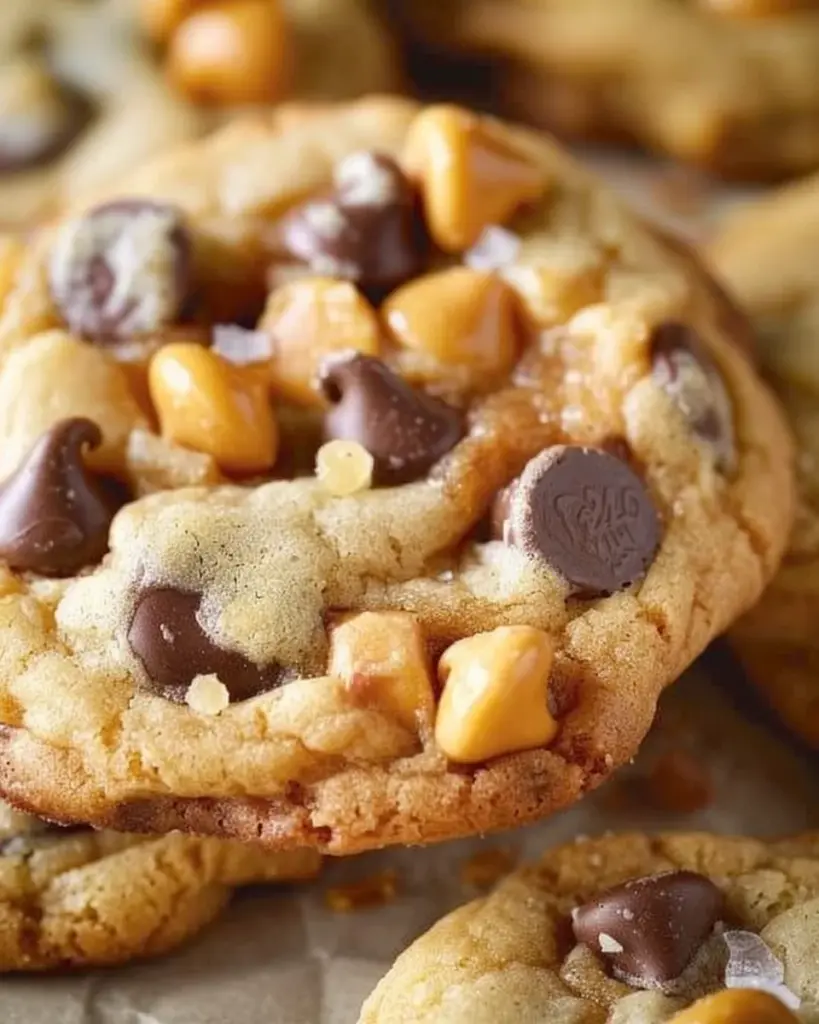
sea salt Butterscotch Chocolate Chip Cookies
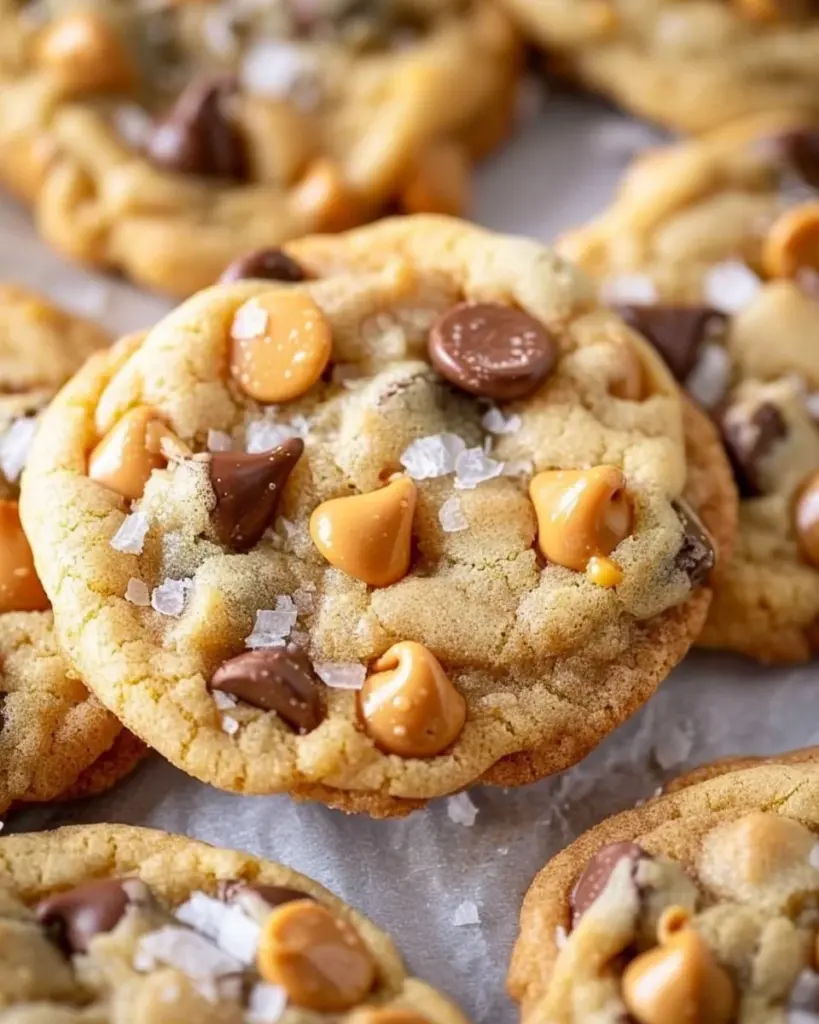
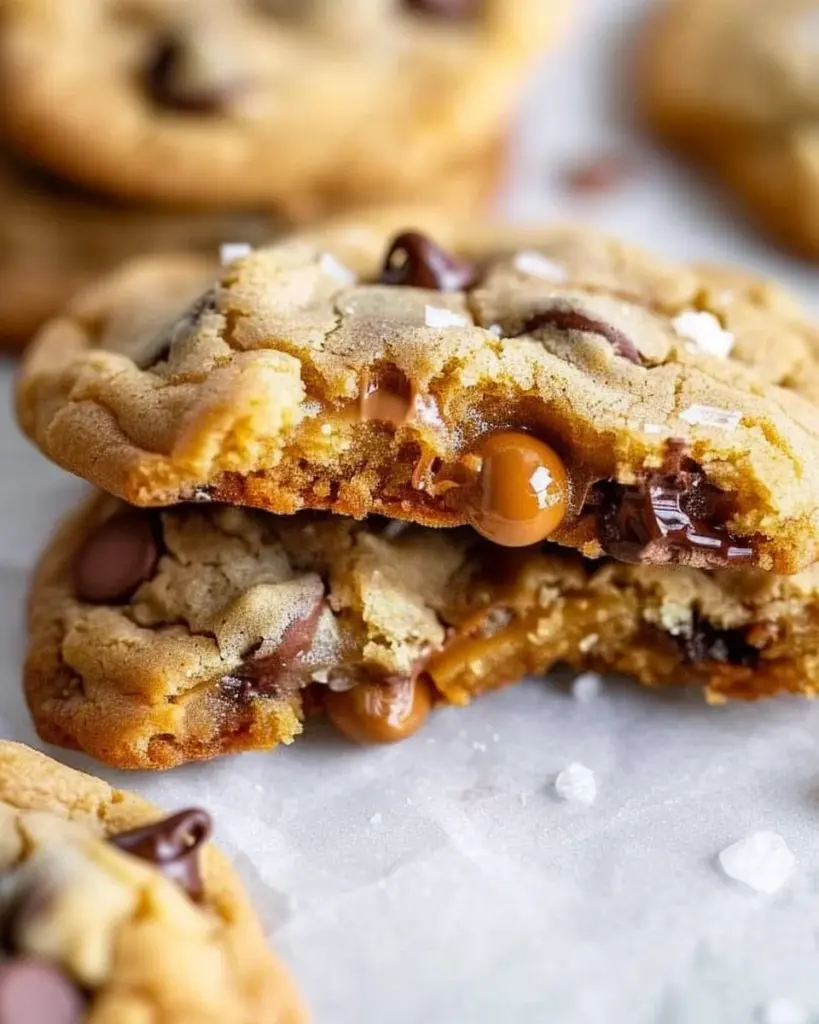
Indulge in a batch of sea‑salt butterscotch chocolate chip cookies, where rich, buttery butterscotch chips meet melty semisweet chocolate chips and a light dusting of flaky sea salt for that perfect sweet‑and‑salty finish. This cookie brings together the best of both worlds: the deep golden warmth of butterscotch, the classic appeal of chocolate chips, and the satisfying crunch of sea salt that lifts every bite. You’ll fall in love with the contrast of gooey centres, slightly crisp edges, and that shimmering hint of salt that gives each cookie unexpected character.
Why readers will love it
- It combines two beloved flavours — butterscotch and chocolate chips — in each mouthful, delivering comfort and indulgence in one.
- The sprinkle of sea salt elevates the recipe from everyday to extraordinary by enhancing sweetness and introducing a savory spark.
- The process is straightforward, requiring common pantry ingredients and no overly complex steps — perfect for home bakers who want something special without fuss.
- It’s versatile: whether you bake it for a treat, share it at gatherings, or pair it with coffee or ice cream, it fits many occasions.
Preparation Phase & Tools to Use
Essential Tools and Equipment
- A stand mixer or hand mixer — to cream the butter and sugars until smooth and well‑combined.
- A set of measuring cups and spoons — for accuracy with flour, sugars, baking soda, salt and chips. Proper measuring helps the texture.
- A large mixing bowl — to combine your wet ingredients and later incorporate dry ones and mix‑ins.
- A medium bowl (optional) — if you prefer to whisk your dry ingredients separately before adding to the wet mixture for better mixing.
- Two baking sheets lined with parchment paper — ensures even baking and easy cleanup.
- A cookie scoop (or heaping tablespoon) — for uniform dough portioning which leads to even sized cookies.
- A wire cooling rack — to transfer baked cookies after a brief cooldown so they finish crisping properly.
Importance of Each Tool
- The mixer ensures your butter‑and‑sugars mixture is fluffy and well‑aerated, which helps with texture.
- Accurate measuring prevents too much flour (which could make cookies dense) or too little (which could make them spread too much).
- Lining the baking sheets with parchment ensures the cookies don’t stick and allows them to bake more evenly.
- The scoop gives consistency in size so cookie bake times remain reliable.
- The cooling rack allows air circulation under the cookies after baking so bottoms don’t become soggy.
Preparation Tips
- Make sure the butter is either straight from the fridge or at room temperature (but not warmed or melted) for optimal structure.
- Use the spoon‑and‑level method when measuring flour (spoon flour into cup, level off) to avoid packing it and ending up with too much.
- Do not overmix the dough once you’ve added the dry ingredients. Mixing until just combined helps keep the cookies soft and prevents them from becoming tough.
- If desired, before baking, gently press a few extra butterscotch and chocolate chips onto the top of each dough portion so the chips show and melt nicely on top.
- Bake one sheet at a time, ensure proper spacing between dough balls (cookies spread while baking).
- Once cookies are out, sprinkle with sea salt while still warm if you like the salt accent to stand out.
List of All Required Ingredients
- ½ cup unsalted butter (straight from fridge or at room temperature)
- ¼ cup brown sugar
- ½ cup granulated sugar
- 1 large egg
- 1 tsp vanilla extract
- 1½ cups all‑purpose flour (measured correctly)
- 1 tsp baking soda
- ½ tsp salt
- 1 cup butterscotch chips (you may reduce this if you prefer less sweetness)
- 1 cup semisweet chocolate chips
- Sea salt sprinkles for topping (to create the sweet & salty vibe)
- Optional: walnuts (or other nuts of your choice)
Step‑by‑Step Directions
- Preheat the oven to 350 °F (≈ 175 °C). Line two baking sheets with parchment paper.
- In a large bowl, using your electric mixer at medium speed, beat together the butter, brown sugar and granulated sugar until the mixture is smooth and no large butter chunks remain.
- Add the egg and vanilla extract, then mix on low speed until fully incorporated.
- Into this mixture add the flour, baking soda and salt; mix together until just incorporated. Avoid overmixing the dough at this stage.
- Fold in the butterscotch chips, chocolate chips and optional walnuts (if using) — again, mix only until combined.
- Using a cookie scoop or a heaping tablespoon, drop dough onto the prepared baking sheets. For large cookies, use about ¼ cup dough each; for medium, about 2 Tbsp each. Leave adequate space between each cookie (they will spread). If you choose, gently press extra chips onto the top of each dough ball before baking.
- Bake one sheet at a time until the edges and bottoms are lightly browned and the tops of cookies feel firm when lightly touched. Approximate bake times:
- Medium size (2 Tbsp dough): ~8‑10 minutes.
- Large size (~¼ cup dough): ~10‑13 minutes.
- When removed from oven, let the cookies cool on the baking sheet for ~5 minutes. Then transfer them to a wire rack to cool completely. While still warm (or immediately after), sprinkle with sea salt for that finishing touch.
- Yield: Makes ~12 large cookies (or up to 30 cookies depending on size).
Tips or Variations Where Applicable
- Variation: Omit the walnuts (if you prefer nut‑free) or swap in pecans or macadamia nuts for a different texture/ flavour.
- If you prefer a less sweet result, reduce the butterscotch chips to ¾ cup or instead increase the chocolate chips proportion.
- Want a more pronounced sea‑salt finish? Use flaky sea salt (like Maldon) rather than table salt for a nicer texture and flavour pop.
- For chewier centres and softer texture, you can pull the cookies out of the oven when centres still look gently underdone — they’ll finish setting on the tray.
- If you ever accidentally let the butter become too soft or warm, you may chill the dough briefly before baking; this helps cookies maintain shape rather than spreading too thin.
- You can also freeze dough balls (covered) for future use; bake straight from frozen, adding a minute or two to baking time.
Serving Suggestions
You’ve baked your sea‑salt butterscotch chocolate chip cookies — now let’s talk about how to serve them in a way that elevates the experience.
- Present the cookies warm from the oven or just slightly cooled so the butterscotch and chocolate chips are still gooey.
- Arrange them on a platter with a small bowl of extra sea salt flakes on the side, letting guests sprinkle a little more if they like.
- Serve with a cold glass of milk, coffee, or even a scoop of vanilla ice cream for dessert.
- If you’re offering them at a gathering, you might place them alongside other treats for variety (see Side Dish Recommendations below).
- For a gourmet touch: stack two cookies with a thin layer of salted caramel ice cream between them to make an ice‑cream sandwich.
- For gifting: stack cookies, tie them with ribbon, and include a tiny jar of sea salt flakes so the recipient can “finish” their cookies the way you intended.
- Make sure to keep cookies in an airtight container or serve them fresh; the sweet‑and‑salty contrast is best when chips are still soft and the salt is crisp.
Common Mistakes To Avoid & How to Perfect the Recipe
- Over‑mixing the dough after adding flour: When you mix too long, gluten develops excessively which can make the cookies tough rather than tender and gooey.
- Using melted or overly soft butter: If the butter is too warm, the dough spreads too much and cookies become flat and crisp instead of slightly chewy with soft centers.
- Measuring flour improperly: Scooping flour directly with the cup can pack more in than intended, making the dough dry and cookies dense. Use the spoon‑and‑level method instead.
- Baking all sheets at once: Baking two trays at the same time can alter heat circulation and cause uneven baking. Bake one sheet at a time for best results.
- Skipping the sea salt finish while warm: The warm cookie allows the salt to melt a bit into the surface, enhancing the flavor. Waiting too long may reduce that effect.
- Not spacing dough balls far enough apart: Because of added chips and sugar, the dough spreads. If too close, cookies will merge or bake unevenly.
- Removing cookies too early or too late: For best texture, remove when tops are firm but still soft in the centre; they’ll set on the baking sheet. Over‑baking leads to dry texture.
To perfect the recipe: - Chill the dough for 15‑30 minutes if your kitchen is warm; this reduces spread and gives taller cookies.
- Use high‑quality butterscotch chips and semisweet chocolate chips for better flavour balance.
- Use flaky sea salt (like Maldon) rather than fine table salt for texture and flavour pop.
Side Dish Recommendations
Here are eight side dish ideas (or accompanying treats) that pair beautifully with these cookies. These aren’t “side dishes” in the savoury‑meal sense but rather complementary treats/servings to build a dessert table or enhance your cookie offering:
1. Vanilla Ice Cream
A scoop of creamy vanilla ice cream alongside a warm cookie provides contrast in temperature and texture. The cold ice cream softens as you eat the warm cookie.
2. Coffee or Espresso
The slight bitterness of coffee or espresso cuts through the sweetness of the butterscotch and chocolate. Serve a strong brew or iced coffee for a balanced combo.
3. Sea‑Salted Caramel Dip
Offer a small ramekin of sea‑salted caramel sauce for dipping the cookies. It amplifies the salty‑sweet theme and gives a fun interactive element.
4. Fresh Berries
A bowl of fresh berries (strawberries, raspberries or blueberries) adds acidity and brightness to the rich cookie experience. It offers a nice contrast and freshness.
5. Milk (Plain or Flavoured)
Classic option: chilled milk (whole or plant‑based) goes with cookies. For a twist, try almond milk vanilla or chocolate‑mint milk.
6. Warm Hot Chocolate
For cooler weather, pair with a mug of rich hot chocolate. The chocolate in the cookie and the drink amplify each other for a decadent combo.
7. Mini‑Milk‑Chocolate Bars or Chocolate Truffles
Set out a few miniature chocolate bars or truffles as an extra treat on the dessert table. They echo the chocolate chip component and offer variety.
8. Nuts and Dried Fruit Mix
Provide a small dish of toasted nuts (walnuts, pecans) and dried fruit (cranberries, apricots) for a crunchy, slightly tart complement to the soft cookie. The nutty flavour pairs well with butterscotch.
Recipe Tips
- Chill the dough for 15–30 minutes if your kitchen is warm. This helps the cookies spread less and stay thicker.
- Use flaky sea salt (not fine table salt) as the topping—its texture and flavor make a difference.
- Use high‑quality butterscotch chips and semisweet chocolate chips for better balance of sweetness and depth.
- If you prefer a less sweet result, reduce the butterscotch chips to ¾ cup and keep the chocolate chips at 1 cup.
- For gooey centres, pull the cookies out of the oven when the tops are set but still look soft; they’ll continue to firm on the baking sheet.
- To vary the mix‑ins: add chopped pecans or macadamia nuts instead of walnuts for a different flavour and crunch.
Storage Instructions
- Let the cookies cool completely before storing. Trapping warmth creates condensation which makes them soggy.
- For short‑term (up to about 1 week): store the cookies in an airtight container at room temperature.
- For longer storage: wrap each cookie individually (especially if freezing) and place them in a freezer‑safe bag or container. Properly frozen cookies keep well for up to 3 months.
- When storing different types of cookies, keep them separate—different doughs or textures can affect one another if stored together.
Reheating Instructions
- To revive a warm, just‑baked feel:
- Oven method: Preheat to ~300°F (150 °C); place cookies on a baking sheet and warm for ~5 minutes.
- Microwave method: Place one cookie on a microwave‑safe plate; heat for 10‑15 seconds (be careful—overheating can make cookies tough).
- If you froze the cookies: thaw to room temperature, then re‑heat using one of the above methods. Freezing may require a slightly longer warm‑up.
FAQs
Q: Can I freeze the dough instead of fully baked cookies?
A: Yes — scoop the dough into balls, freeze them on a sheet until firm, then store in freezer bags. When ready, bake straight from frozen, adding 1‑2 minutes to the usual bake time.
Q: How long will a sealed container of cookies last at room temperature?
A: Most soft drop cookies stay fresh for up to ~1 week when kept in an airtight container at room temperature (assuming they’ve cooled fully).
Q: What happens if I refrigerate them instead of room temperature or freezer?
A: Refrigeration can extend life by a few days, but may change texture (making them firmer or less chewy). If you do refrigerate, bring them to room temp before serving, or warm slightly.
Q: Can I skip the sea salt topping?
A: You can, though the contrast of sweet and salty is part of the flavour profile. If you skip it, be mindful that the cookies will taste sweeter and less dimensional.
Q: My cookies spread too much / came out flat—why?
A: Possible reasons: butter too warm or melted, dough too warm, not enough flour, baking sheet too hot or overcrowded, no chilling time. Try chilling dough, ensuring butter isn’t overly soft, and spacing dough balls well on the sheet.