Egg Roll in a Bowl (One-Skillet, Keto)
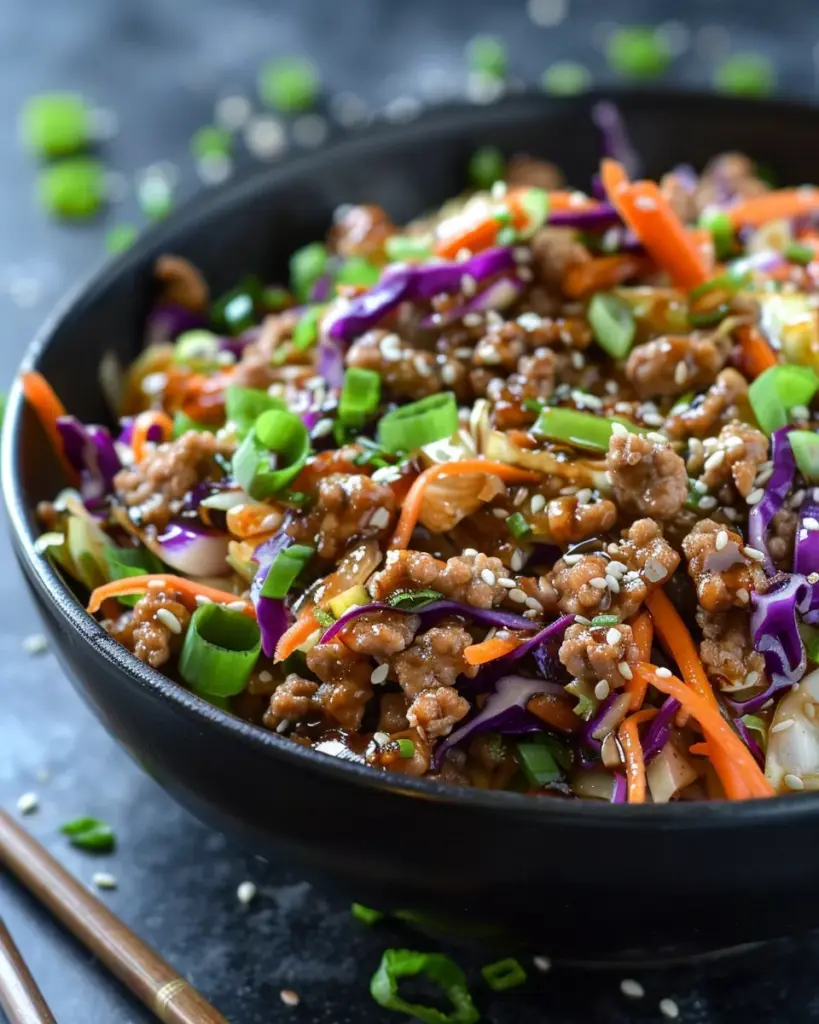
The egg roll in a bowl is a vibrant one‑skillet meal that captures all the flavour of a traditional egg roll — cabbage, carrots, ginger, garlic, soy and sesame — but skips the deep‑fried wrapper. It delivers that beloved Asian‑inspired taste in a quicker, lighter, and easier form. Readers will love it because it’s ready in about 30 minutes, packs in both protein and vegetables, and adapts easily to their dietary preferences. Use it for a fast weeknight dinner, a meal‑prep lunch, or whenever you crave Chinese take‑out vibes without the fuss.
Mention the recipe appeal, uses, and any unique features
- Appealing because it turns a popular appetizer into a satisfying main course.
- Uses common pantry staples plus fresh vegetables so you likely already have what you need.
- Unique feature: de‑constructed egg roll filling served in a bowl instead of wrapped and fried.
- Ideal for low‑carb, keto, or paleo adaptations, or simply for those seeking a healthier take‑out alternative.
- Great for busy schedules — one skillet, minimal cleanup, and ready in around half an hour.
Call‑out why readers will love it
Readers will love this recipe because:
- It brings the familiar flavours of an egg roll in a fraction of the time.
- It is flexible: you can swap ground meat types, add or change vegetables, adjust seasonings.
- It’s adaptable for various dietary needs (gluten‑free, low‑carb, vegetarian) with slight tweaks.
- It provides a hearty, satisfying dinner without the heaviness of deep‑frying or wrappers.
- Leftovers store well and make convenient meals the next day.
Preparation Phase & Tools to Use
Essential Tools and Equipment
- Large skillet (preferably with a lid)
- Sharp knife and cutting board (for vegetables)
- Measuring spoons and cups
- Wooden spoon or spatula for stirring
- Optional: shredding tool or mandolin for thinly slicing cabbage and carrots
- Serving bowls
Importance of Each Tool
- The skillet ensures even cooking and gives enough space for browning the meat and sautéing vegetables.
- Sharp knife and board make prep safer, faster and yield uniform vegetable pieces for even cooking.
- Measuring tools help maintain the correct balance of seasoning so the flavours come out consistently.
- The wooden spoon/spatula allows you to stir without scratching non‑stick surfaces and helps with scraping browned bits.
- A shredder or mandolin speeds up prep and ensures thin, uniform vegetable strips that cook evenly.
- Serving bowls make the transition from stovetop to table seamless and keep the meal visually appealing.
Preparation Tips
- Prep all your vegetables and seasonings before you heat the skillet (mise en place). This keeps the cooking process smooth and fast.
- Choose fresh, crisp cabbage and carrots for the best texture. Packaged coleslaw mix works too but might contain extra moisture.
- Use a good quality skillet that heats evenly. If your pan is too crowded, the vegetables might steam instead of sauté, which leads to a soggy texture.
- When browning meat, break it up into small pieces and cook it until just done so it blends well with the vegetables.
- Deglaze the pan (e.g., with a splash of broth) after browning to pick up flavour from the browned bits.
- Adjust heat as needed: start medium‑high for meat, then reduce when adding vegetables so nothing burns.
- Before serving, taste and adjust the seasoning — the soy/tamari, vinegar, sesame oil all contribute distinct notes, so find your balance.
List all required ingredients in a clear and organized format
For 4 servings
- 2 tablespoons olive oil (divided)
- 1 pound ground turkey (or substitute ground pork, chicken, or beef)
- 1 small sweet onion, finely diced
- 1 cup shredded carrots
- 3 garlic cloves, finely minced
- 1 teaspoon finely minced fresh ginger
- ¼ cup chicken broth (or vegetable broth)
- 1 small head cabbage (about 8 cups shredded)
- 3 tablespoons soy sauce or tamari (for gluten‑free)
- 1 tablespoon rice vinegar
- ¾ teaspoon salt
- ½ teaspoon black pepper
- 1 teaspoon toasted sesame oil
Optional for serving
- Cooked white rice
- Green onions (green parts only), thinly sliced
- Toasted sesame seeds
- Sriracha mayo (or your preferred hot‑sauce mayo)
Step‑by‑step directions
- Heat 1 tablespoon of olive oil in a large skillet over medium heat. Add the ground turkey. Cook, breaking up the meat, until it’s almost cooked through (about 5–6 minutes).
- Push the turkey to one side of the skillet. Add the remaining tablespoon of olive oil. Add the diced onion and cook for about 3–4 minutes until softened and translucent, stirring occasionally.
- Add the shredded carrots, minced garlic, and minced fresh ginger. Cook for about 2 minutes, stirring frequently, until the garlic is fragrant and the carrots begin to soften.
- Pour in the chicken broth and scrape any browned bits from the bottom of the pan. This adds deep flavour to the dish.
- Add the shredded cabbage, soy sauce (or tamari), rice vinegar, salt, and black pepper. Stir well to combine. Cover the skillet, reduce heat to medium‑low, and cook for 12–15 minutes (or until the cabbage reaches your desired tenderness).
- Remove the skillet from heat. Stir in the toasted sesame oil for final flavour.
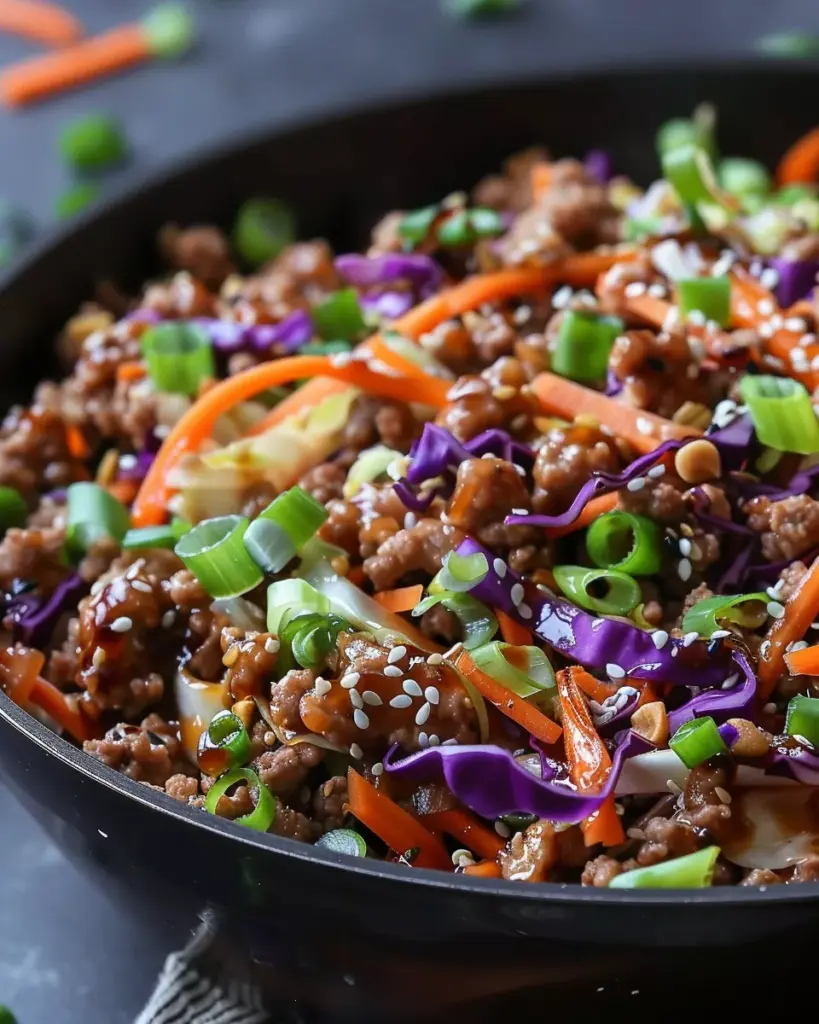
- Serve the mixture in bowls. If you like, place it over cooked white rice. Garnish with sliced green onions, toasted sesame seeds and a drizzle of sriracha mayo (optional).
- For variation: you may add cooked rice noodles in step 7, or swap the ground turkey for a plant‑based alternative. Adjust seasonings accordingly.
Tips or variations where applicable
- Variation: Ground pork or beef — Swap ground turkey for pork or beef for a richer flavour.
- Vegetarian version — Omit meat, add extra vegetables like mushrooms or tofu, and sauté similarly.
- Low‑carb/keto option — Skip rice entirely and serve over cauliflower rice. Use tamari or coconut aminos instead of soy sauce.
- Extra crunchy topping — For texture, top with baked wonton strips or crispy shallots.
- Spice it up — Add sriracha, red pepper flakes or chili oil either during cooking or as a topping.
Serving Suggestions
When you make the egg roll in a bowl, you’ll want to serve it in ways that enhance the flavour and texture. Here are some serving ideas:
- Serve the bowl as is (cabbage, meat, sauce) for a lower‑carb approach.
- Place the mixture over steamed white jasmine rice or brown rice for a heartier meal.
- Use cauliflower rice or broccoli rice if you prefer a lighter or keto‑friendly base.
- Offer a side of chilled cucumber salad or Asian slaw to bring freshness and crunch to the plate.
- Garnish with sliced green onions, toasted sesame seeds, and a drizzle of sriracha mayo or sesame oil for extra flavour and visual appeal.
Common Mistakes To Avoid & How to Perfect the Recipe
- Adding too much liquid early: If you pour in a lot of broth or sauce too soon, the vegetables can become soggy instead of crisp‑tender. To avoid this, add the liquid only when needed and cover just for the final cook.
- Over‑crowding the pan: If the skillet is too full, ingredients steam rather than sauté, which prevents browning and flavour development. Use a large skillet, cook in batches if needed.
- Using pre‑shredded cabbage with excess moisture: While convenient, pre‑shredded cabbage often holds extra water. Pat it dry or use fresh cabbage for best texture.
- Undercooking or overcooking the cabbage: The cabbage should be tender‑crisp, not raw and crunchy or limp and mushy. Cover for the final minutes, then check and remove when texture is right.
- Not adjusting seasoning at end: Taste before serving. The soy/tamari, vinegar and sesame oil may require a little tweak depending on your base ingredients.
- Freezing leftovers: Because cabbage holds water, freezing this dish causes a texture change (mushy) when thawed. The original recipe advises against freezing.
Side Dish Recommendations
Here are 8 side dishes that pair well with the egg roll in a bowl, each offering contrasting textures, flavours or dietary options:
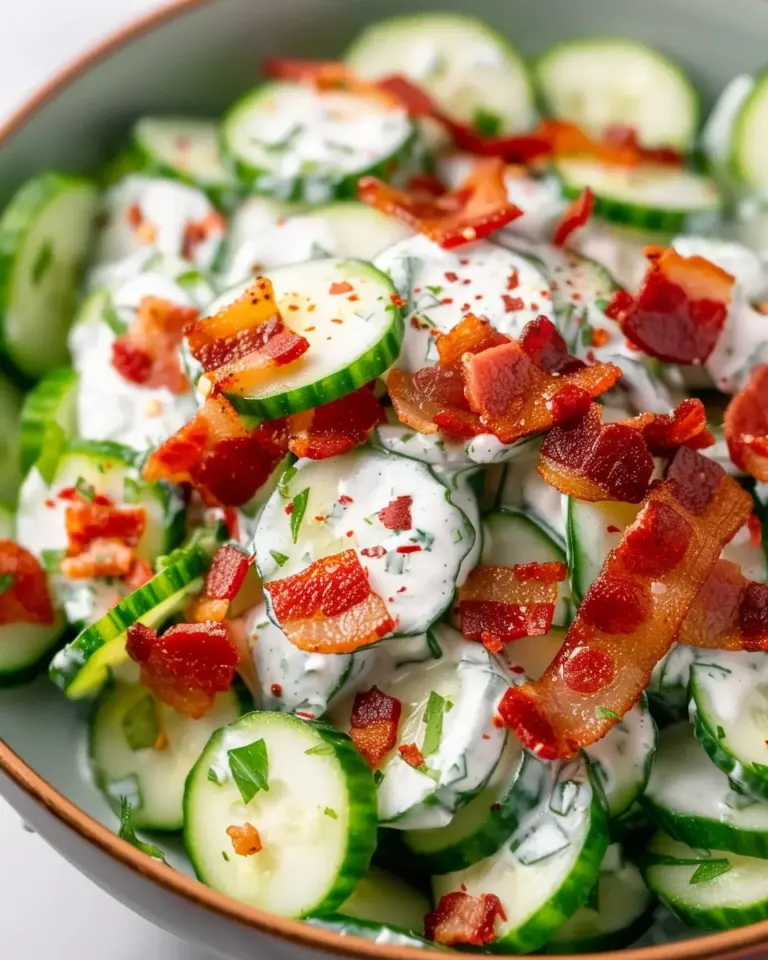
1. Asian Cucumber Salad
A crisp, tangy salad made of thinly sliced cucumbers, rice vinegar and sesame seeds. It refreshes the palate and balances the savoury richness of the main dish.
2. Steamed Broccoli with Lemon Zest
Bright and lightly steamed broccoli tossed with a little olive oil and lemon zest. Adds green colour, lightness, and a healthy crunch to the plate.
3. Cauliflower Rice
A low‑carb alternative to traditional rice. Its neutral flavour makes it a great base so that the main dish’s seasoning stands out.
4. Sesame Noodles
Cold or warm noodles tossed in sesame oil, soy/tamari, a little vinegar and scallions. The nutty flavour complements the ground meat and cabbage of the bowl.
5. Hot & Sour Soup
A warm, lightly tangy soup with mushrooms, tofu or bamboo shoots. The broth contrasts the skillet dish and adds a comforting starter or side.
6. Asian Slaw with Carrots & Cabbage
A crunchy slaw dressed in a light rice‑vinegar‑sesame dressing. Provides texture contrast and a fresh element on the plate.
7. Edamame with Sea Salt
Simple, boiled or steamed edamame sprinkled with sea salt. A protein‑rich, light side that doesn’t compete with the main dish’s flavours.
8. Roasted Green Beans with Garlic
Green beans roasted until just tender and tossed with minced garlic and sesame seeds. The roasting brings out flavour and adds a slightly caramelised note to the meal.
Recipe Tips
- Make sure to shred the cabbage and carrots as finely as possible. Thin pieces cook quickly and blend beautifully with the meat and sauce.
- Use fresh garlic and ginger if you can — they provide a brighter, more vivid flavour than dried or powdered versions.
- Brown the ground meat well before adding the vegetables. That browning creates flavour through the Maillard reaction and gives the dish more depth.
- After adding the broth (or liquid) and vegetables, keep the lid on the skillet for part of the cook to trap steam, then remove the lid near the end to let some moisture escape — this prevents a soggy texture.
- Always stir in the toasted sesame oil at the end (off‑heat). Sesame oil burns easily; adding it at the end preserves its nutty aroma and flavour.
- Taste near the end of cooking and adjust seasoning — the soy/tamari, rice‑vinegar, salt/pepper can shift depending on your meat or vegetable moisture. Adjust accordingly.
- For added crunch or garnish: scatter toasted sesame seeds, cut green onions, or even chopped roasted peanuts or cashews for texture contrast.
- Want more protein or richness? After cooking the meat and veggies, make a well in the middle of the skillet, crack an egg in, scramble it, then mix it into everything.
- Vegetarian version: skip the meat, sauté extra mushrooms or tofu, keep the rest of the flavour base the same. The seasoning and vegetables carry the dish.
- Low‑carb / keto version: Serve over cauliflower rice instead of white rice; use tamari or coconut aminos instead of soy sauce if you prefer lower sodium or gluten‑free.
Storage and Reheating Instructions
- Storage: Let the dish cool to near‑room temperature. Transfer it into an airtight container and refrigerate. It will keep for up to 3–4 days in the fridge.
- Freezing: Freezing is not recommended. The shredded cabbage and other vegetables hold water which, upon thawing, often results in a mushy texture and excess liquid.
- Reheating:
- On the stovetop: Place leftovers in a skillet on medium heat, stir occasionally until heated through. If the mixture seems too dry or bland, add a splash of broth or soy sauce.
- In the microwave: Heat in short bursts (30‑second intervals), stirring between intervals until uniformly hot. This helps maintain texture and avoids over‑heating one area.
- Tip: If you anticipate leftovers often, consider storing rice separately (if served over rice) and adding it only when reheating, to keep texture optimal.
FAQs
Q1: Can I freeze this dish?
A1: It’s best not to freeze. While you can, the texture of the cabbage and other vegetables tends to degrade — you’ll likely end up with a wetter, mushier result.
Q2: Can I make this vegetarian or vegan?
A2: Yes — simply omit the ground meat and substitute with diced tofu, cooked lentils, or a plant‑based ground “meat.” The flavour base (ginger, garlic, soy/tamari, rice vinegar, sesame oil) remains the same.
Q3: Is this dish gluten‑free?
A3: It can be. Use tamari or coconut aminos instead of regular soy sauce, and avoid any additional sauces that contain wheat. Then this dish suits a gluten‑free diet.
Q4: How can I make it spicier?
A4: Add crushed red pepper flakes, a drizzle of sriracha or chili oil, or mix in a spicy mayo as a topping. Adjust to your heat tolerance.
Q5: Can I swap the meat?
A5: Definitely. Ground turkey, chicken, pork or beef all work. Choose leaner if you prefer less fat. The cooking method remains the same.
Q6: What about extra vegetables?
A6: Yes — you can add mushrooms, bell peppers, snow peas, or bean sprouts. Just add them at a time appropriate so they cook until tender but still crisp.
Q7: How do I keep the texture crisp, not soggy?
A7: Use a large enough skillet so the vegetables aren’t overcrowded (which causes steaming). Drain excess liquid if needed. Don’t over‑cook; aim for tender‑crisp cabbage. Stir in sesame oil off the heat.
Conclusion
The egg roll in a bowl recipe offers a delicious, easy, one‑skillet dinner that captures all the familiar flavours of a classic egg roll — savoury meat, garlic, ginger, shredded cabbage and carrots, soy sauce and sesame oil — without the wrapper and deep‑frying. It’s flexible, can adapt to various diets (low‑carb, gluten‑free, vegetarian), and works beautifully for weeknight dinner or meal prep. Use the tips above for great storage, reheating, and variations, and you’ll have a go‑to dish that’s as convenient as it is satisfying.