Fisherman’s Soup
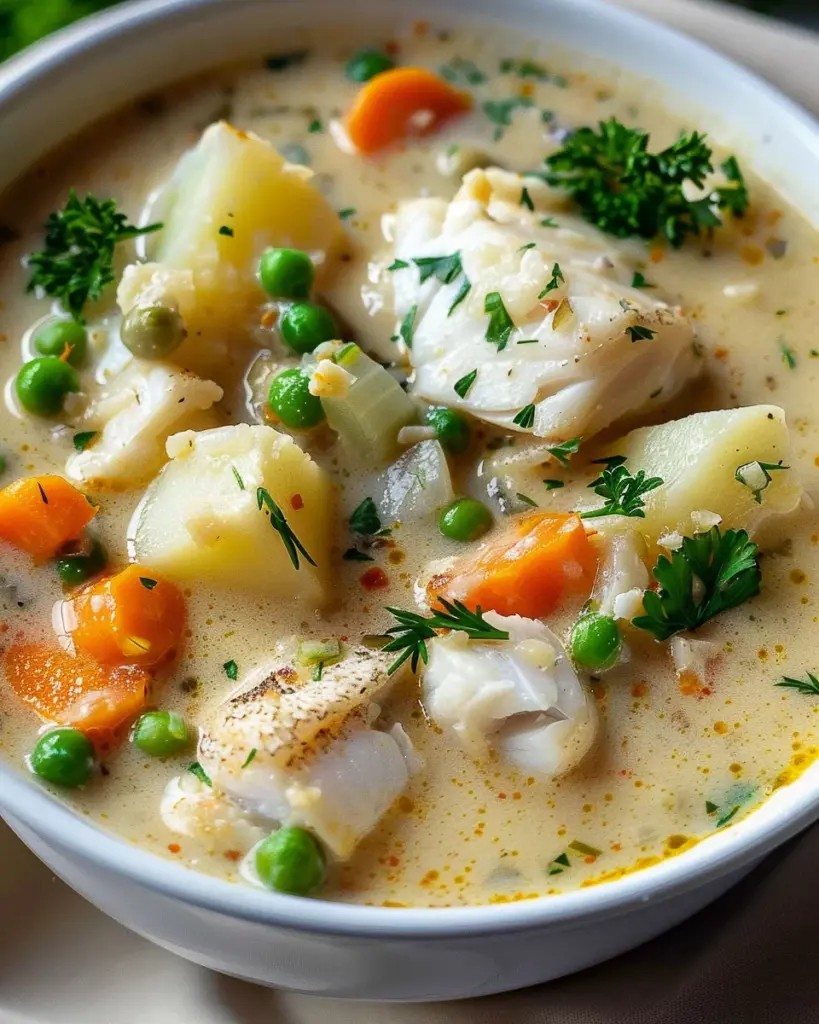
Fisherman’s Soup is a bold, fiery dish that captures the essence of Hungary’s culinary soul in every spoonful. With its deep, paprika-infused broth and a medley of tender seafood, this dish offers a beautifully balanced flavor profile that’s both comforting and invigorating.
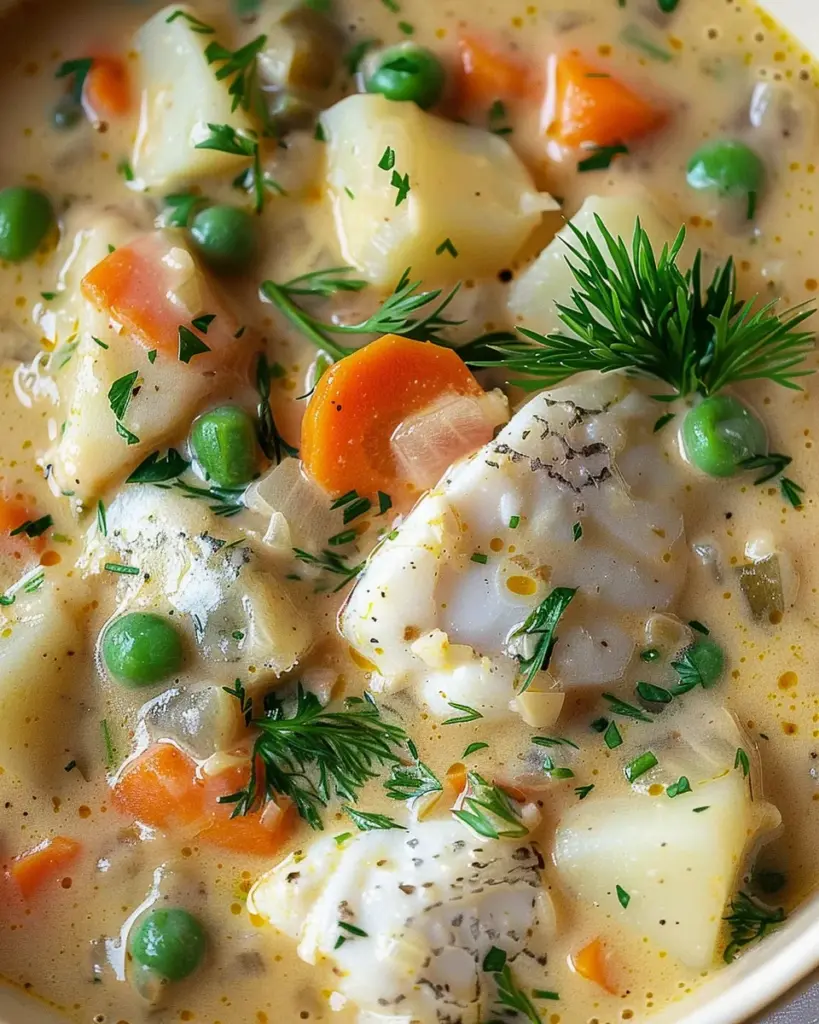
This rustic soup is rooted in the riverbanks of Hungary, traditionally cooked in kettles over open flames. The aromatic combination of smoked paprika, fresh river fish, and slow-cooked vegetables makes this dish deeply satisfying. Whether you’re warming up on a chilly night or looking to impress guests with a rich, flavorful recipe, this soup is a showstopper.
Why Readers Will Love This Fisherman’s Soup Recipe
- Bursting with fresh seafood flavors — A savory blend of white fish, shrimp, and shellfish
- Wholesome and nutritious — High in protein and healthy fats, no cream or alcohol
- Perfectly spiced — Balanced heat from paprika, herbs, and optional chili flakes
- Customizable and versatile — Easy to modify with different seafood or spice levels
- Simple yet elegant — Minimal prep, big flavor payoff
Preparation Phase & Tools to Use
Essential Tools and Equipment
To make Fisherman’s Soup, you’ll need the following tools:
- Large heavy-bottomed soup pot or Dutch oven – Retains heat and distributes it evenly
- Wooden spoon or spatula – Gentle on cookware, ideal for stirring spices and seafood
- Sharp chef’s knife – For cleanly chopping vegetables and slicing fish
- Cutting board – Preferably two: one for vegetables, one for seafood
- Measuring spoons and cups – For accuracy in seasoning and broth levels
- Ladle – For serving the soup cleanly and evenly
- Strainer (optional) – For cleaning shellfish
Importance of Each Tool
Each tool plays a crucial role in achieving the perfect consistency and flavor balance. A heavy pot helps bring out the depth of spices. A sharp knife keeps fish pieces intact. Measuring tools ensure your spice blend is well-balanced, not overwhelming.
Preparation Tips
- Prepare all ingredients ahead of time—mise en place ensures smooth cooking.
- Use fresh fish and shellfish whenever possible to highlight the natural flavor.
- Dice vegetables uniformly for even cooking.
- Toast spices lightly in oil to deepen their flavor before adding liquids.
Ingredients for Fisherman’s Soup
Base Ingredients
- 1 tablespoon olive oil
- 1 large onion, finely chopped
- 2 garlic cloves, minced
- 1 large carrot, diced
- 1 celery stalk, diced
- 1 red bell pepper, diced
- 1 teaspoon Hungarian paprika
- 1 teaspoon smoked paprika
- 1 teaspoon ground black pepper
- ½ teaspoon red pepper flakes (optional for extra heat)
- 1 teaspoon salt (adjust to taste)
- 1 teaspoon dried oregano
- 1 teaspoon dried thyme
- 1 bay leaf
Liquid & Flavor Enhancers
- 4 cups fish stock (or vegetable broth)
- 1 (14-ounce) can crushed tomatoes
- 2 tablespoons tomato paste
- 1 teaspoon sugar (to balance acidity)
- 2 cups water
- Juice of 1 lemon
- Fresh parsley or cilantro for garnish
Seafood Selection
- ½ pound firm white fish (cod, halibut, tilapia, or snapper), cut into chunks
- ½ pound shrimp, peeled and deveined
- ½ pound mussels or clams, cleaned
- ½ pound squid or scallops (optional)
Step-by-Step Directions
1. Prepare the Flavor Base
- Heat Olive Oil – Warm olive oil in a large pot over medium heat.
- Sauté Aromatics – Add chopped onions, garlic, carrots, and celery. Sauté for 5 minutes.
- Add Bell Pepper – Stir in diced red bell pepper and cook for 3 more minutes.
- Layer in Spices – Stir in paprika, smoked paprika, black pepper, red pepper flakes (if using), salt, oregano, thyme, and bay leaf.
2. Build the Soup Broth
- Add Tomato Paste – Stir it into the vegetables and cook for 2 minutes.
- Add Liquids – Pour in crushed tomatoes, fish stock, and water. Stir to combine.
- Balance Acidity – Mix in the sugar and bring soup to a gentle boil.
- Simmer – Lower the heat and simmer uncovered for 20 minutes.
3. Cook the Seafood
- Add Firm Fish – Gently drop in fish chunks and cook for 5 minutes.
- Add Shellfish and Shrimp – Stir in shrimp, mussels, and clams. Cover the pot and cook 5–7 minutes until shellfish open.
- Add Lemon Juice – Stir in lemon juice to brighten the soup.
4. Garnish and Serve
- Remove Bay Leaf – Take out the bay leaf before serving.
- Add Fresh Herbs – Sprinkle with chopped parsley or cilantro.
- Serve Hot – Ladle into bowls and enjoy immediately.
How to Serve Fisherman’s Soup
This spicy Hungarian seafood soup is best served hot and fresh, straight from the pot. Its rich broth and bold flavors make it versatile enough to serve in multiple ways:
- With Crusty Bread – Ideal for soaking up every drop of the spicy broth.
- Over Steamed Rice – Adds a comforting, hearty base that complements the soup’s texture.
- As a Starter – Serve in small bowls before a main course of grilled seafood or pasta.
- With a Green Salad – Adds a refreshing, crisp contrast to the rich, warm broth.
- With Lemon Wedges – Squeeze over the top to enhance the fresh flavors.
- Family-Style – Serve in a large communal bowl at the center of the table.
- With Garlic Toast – Adds a crunchy, savory touch that elevates every bite.
Common Mistakes to Avoid & How to Perfect the Recipe
Mistake 1: Overcooking the Seafood
- Solution: Add seafood near the end of cooking and remove from heat once done. Shrimp should turn pink and shellfish should open naturally.
Mistake 2: Using Low-Quality Fish or Shellfish
- Solution: Always use fresh, firm white fish and well-cleaned shellfish. Frozen is acceptable, but thaw properly and avoid waterlogged textures.
Mistake 3: Not Toasting the Spices
- Solution: Briefly sauté paprika and dried herbs in oil before adding liquids to unlock their full aroma and flavor.
Mistake 4: Skipping Acid Balance
- Solution: Add lemon juice or a splash of vinegar to balance the soup’s richness and tomatoes’ acidity.
Mistake 5: Uneven Vegetable Cuts
- Solution: Chop vegetables uniformly so they cook evenly and present well in the bowl.
Mistake 6: Too Much Liquid
- Solution: Stick to the recommended broth-to-seafood ratio. A soup that’s too thin will dilute the flavors.
Mistake 7: Using Cream or Dairy
- Solution: Fisherman’s Soup is traditionally dairy-free. Adding cream can overpower the subtle spice and fresh seafood notes.
Mistake 8: Ignoring Shellfish Safety
- Solution: Discard any mussels or clams that do not open after cooking to avoid foodborne illness.
Side Dish Recommendations
Pairing Fisherman’s Soup with the right side dishes can enhance its rustic charm and balance its bold flavors.
1. Rustic Crusty Bread
- Ideal for dipping and soaking up the flavorful broth.
- Choose sourdough, ciabatta, or a fresh country loaf.
2. Steamed Jasmine or Basmati Rice
- Light, fluffy rice makes the soup more filling without distracting from the broth.
3. Garlic Herb Toast
- Crisp and golden, garlic toast adds texture and a hint of spice that complements the soup.
4. Hungarian Cucumber Salad (Uborkasaláta)
- A tangy vinegar-based cucumber salad balances the heat of the soup with cool, crunchy freshness.
5. Roasted Vegetables
- Roasted root vegetables like carrots and parsnips add earthy sweetness to the meal.
6. Pickled Vegetables
- Pickled beets, onions, or peppers bring acidity and brightness that contrast well with the soup.
7. Grilled Polenta
- Slices of grilled polenta offer a creamy base with a crispy crust, ideal for spooning soup over.
8. Herb-Infused Couscous
- Light and fluffy couscous flavored with parsley, lemon zest, or mint adds a fresh Mediterranean touch
Recipe Tips
- Use fresh, high‑quality seafood for best flavor and texture; firm white fish holds together well in the broth while shrimp and shellfish add sweet, briny contrast.
- Chop vegetables uniformly so they cook evenly and present nicely in the bowl.
- Toast the paprika and smoked paprika in the oil briefly before adding liquids; this enhances the depth of the paprika‑infused broth.
- Add the seafood near the end of cooking so it remains tender—overcooking can make fish and shellfish rubbery.
- Adjust the spice level: reduce or omit red pepper flakes for a milder version, or increase them and add cayenne for extra heat.
- If you want a thicker broth, remove a cup of the soup base before adding seafood, blend it until smooth and stir it back in.
- Garnish just before serving with fresh parsley or cilantro to maintain bright, fresh herb flavor.
- Serve immediately while hot; seafood soups lose texture and strength of flavor if held too long.
Storage & Reheating Instructions
- Refrigerating: Once the soup has cooled to room temperature, transfer it to an airtight container and refrigerate. According to one source, it can keep in the fridge for up to 5 days when stored properly.
- Freezing: If you wish to freeze, it’s best to omit the shellfish before freezing (they may become rubbery upon thawing). Freeze the broth and firm fish pieces separately if possible for better texture.
- Reheating:
- On the stovetop: Gently reheat over low–medium heat, stirring occasionally to avoid hot‑spots and to protect texture.
- Avoid blasting the seafood at high heat; seafood continues to cook, so slowing down the reheating helps retain tender texture.
- If frozen: thaw overnight in the refrigerator, then reheat as above.
- For best quality: remove shellfish before reheating, warm the broth, and add shellfish for just the last few minutes.
- Safety note: Discard any shellfish (mussels, clams) that did not open after cooking. If you have leftover, check for off‑odours, unusual texture, or questionable appearance before reheating to ensure safety.
FAQs
Q: Can I make this soup without shellfish?
Yes. You may skip the shellfish and use only firm white fish. To keep the meal hearty, you might add extra vegetables or a plant‑protein alternative. This keeps the soup nutritious, flavourful and adaptable to dietary needs.
Q: What fish works best for this soup?
Firm, white‑fleshed fish (such as cod, halibut, tilapia or snapper) work well because they maintain their shape in the hot broth. If you prefer a richer taste, salmon is an option though it will alter the flavour profile.
Q: Can I make this soup extra spicy?
Absolutely. Increase the red pepper flakes and/or add cayenne or diced fresh chilis. Just taste as you go and adjust to your heat tolerance.
Q: Is this soup kid‑friendly?
Yes. For kids, reduce or omit the red pepper flakes and any extra heat. Serve with bread or rice for a comforting, mild version.
Q: What can I serve with this soup?
Great options include crusty bread for soaking the broth, steamed rice for a more substantial meal, or a fresh green salad to balance the richness.
Q: Can I freeze the leftovers?
Yes—provided you follow best practices (remove shellfish, freeze in an airtight container). Some texture change may occur, especially with shellfish, so reheating method matters.
Q: What about leftover seafood texture after reheating?
Expect some change. Reheating seafood tends to affect texture more than reheating other ingredients. To minimise loss of quality: reheat gently, add seafood towards the end, avoid microwave if possible.