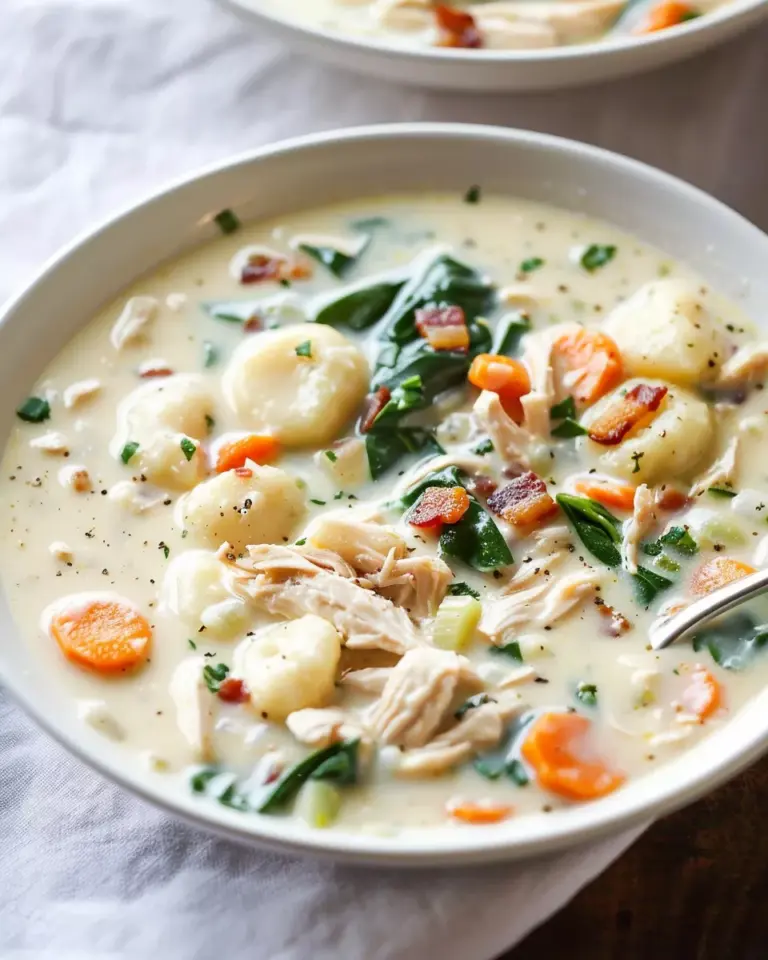
Russian Fish Soup Ukha
Ukha is a traditional Russian fish soup, celebrated for its clear, aromatic broth and delicate balance of fish and vegetables. This rustic yet elegant soup highlights the natural flavors of fresh fish, making it both hearty and light.
The appeal of this recipe lies in its simplicity and authenticity:
- Uses whole fish and fish bones to create a rich, flavorful stock.
- Combines fresh vegetables and herbs to enhance the natural taste of fish.
- Can serve as a main course for lunch or a starter for dinner.
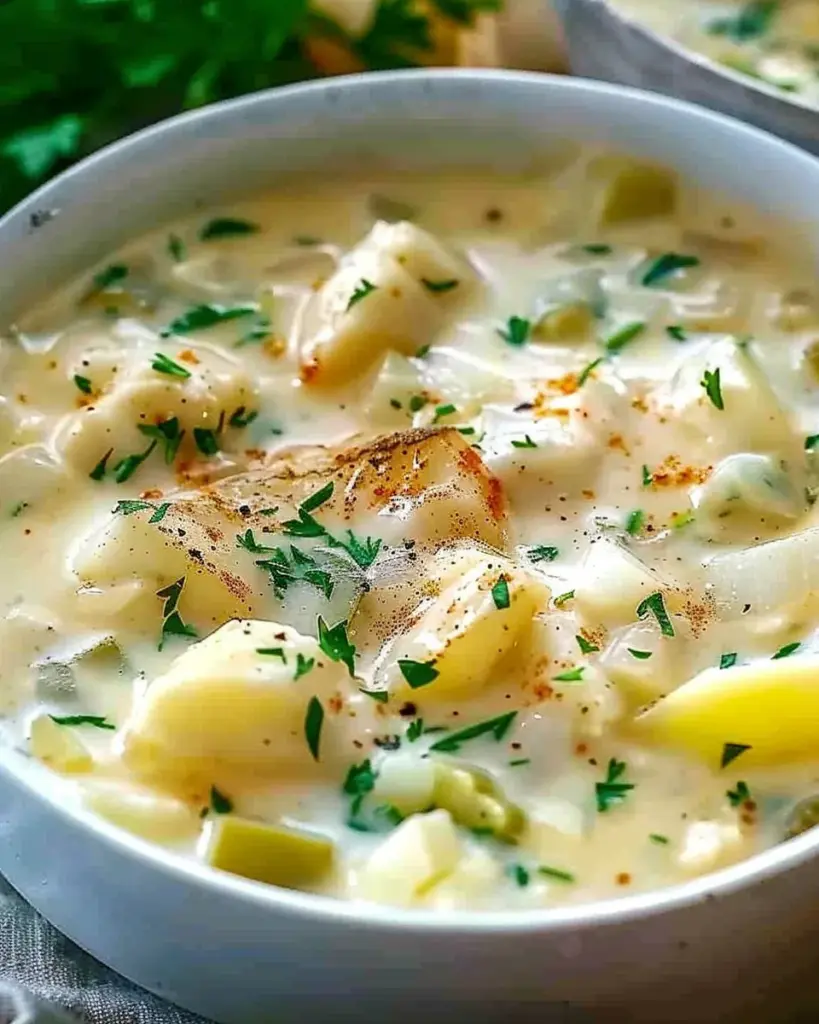
Readers will love Ukha because it:
- Offers a taste of traditional Russian cuisine.
- Requires basic ingredients and equipment, yet produces gourmet results.
- Is versatile—allowing substitutions and additions for personal preferences.
Preparation Phase & Tools to Use
Essential Tools and Equipment
- Heavy stock pot – essential for simmering fish stock evenly.
- Fine mesh sieve or cheesecloth – to clarify the broth.
- Immersion blender (optional) – to blend a portion of the potato for added thickness.
- Cutting board and sharp knife – for preparing vegetables and fish.
- Ladle and large spoon – for serving.
- Optional tools: fish-scaling tool, wooden spoon.
Importance of Each Tool
- Stock pot: allows gentle simmering and full extraction of flavors.
- Sieve/cheesecloth: produces a clear, visually appealing broth.
- Immersion blender: creates smoothness without losing potato chunks.
- Sharp knife & cutting board: ensures precise prep and safety.
- Ladle/spoon: essential for proper serving and portioning.
Preparation Tips
- Use the freshest fish available for the best flavor.
- Prep all vegetables and herbs before cooking (mise en place).
- Simmer the stock gently to avoid cloudiness.
- Remove fish from stock before shredding to prevent overcooking.
- Reserve delicate herbs for the end to retain freshness.
Ingredients
For the Fish Stock:
- 1 whole seabream (gutted and scaled) or a similar whole fish
- 1/2 large yellow onion, whole
- 2 whole carrots
- 2 celery ribs, whole, including leaves
- 1 bay leaf
- 1/2 bunch fresh parsley
- Optional: 2 stalks fresh lovage, including leaves
- 4 litres water
- Salt & pepper to taste
For the Soup:
- 4 large potatoes (3 diced, 1 whole optionally)
- 1/2 large yellow onion, finely diced
- 2 carrots, roughly chopped
- 2 celery ribs, roughly chopped
- 4 tablespoons olive oil
- Salt & pepper to taste
- Half lemon cut into quarters
- Remaining parsley for garnish
- Optional: smoked fish or additional seafood
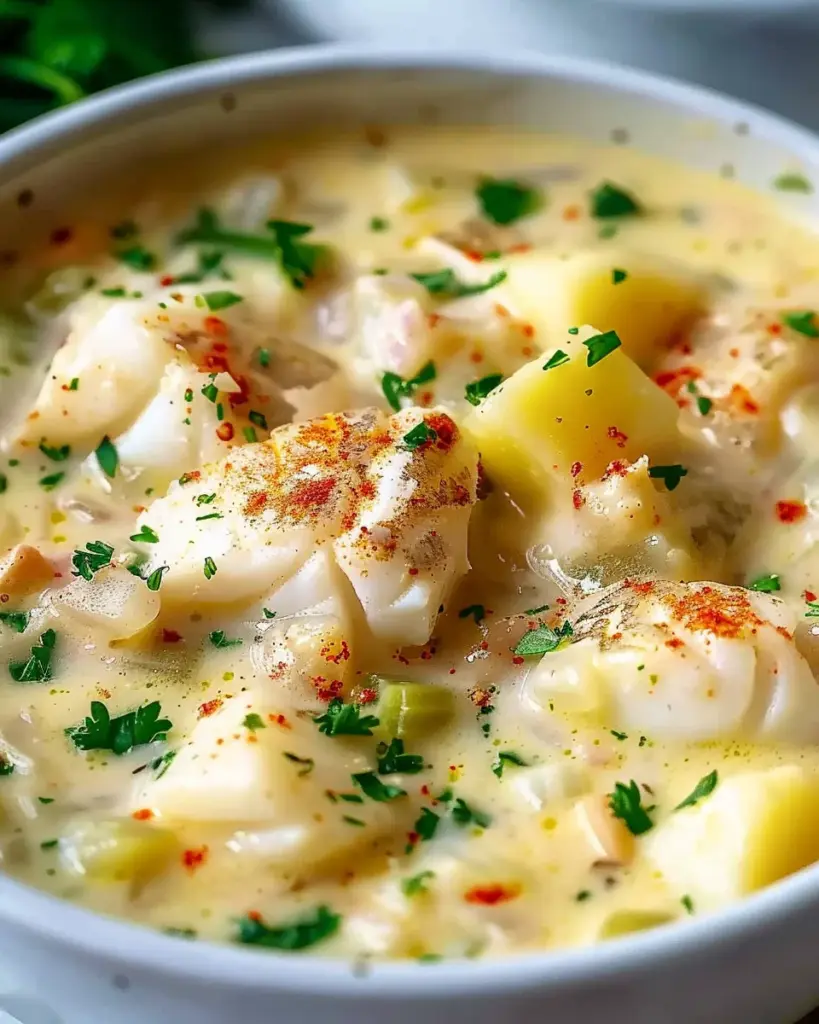
Step-by-Step Directions
1. Make the Fish Stock
- Bring 4 litres of water to a boil in a heavy-bottomed stock pot.
- While water heats, prep vegetables: half onion whole, 2 whole carrots, 2 whole celery ribs, bay leaf, half parsley, and optional lovage.
- Add these vegetables to the boiling water, reduce heat to lowest setting, cover, and simmer for 45 minutes.
- Add the whole fish and simmer gently for another 20 minutes, covered.
- Remove the fish, let cool, shred the meat, and discard bones and skin.
- Strain the stock through a fine sieve or cheesecloth and set aside.
2. Make the Soup
- In a clean pot, heat olive oil and sauté diced onion and chopped carrots until soft and lightly browned.
- Add diced potatoes, the whole potato, and half the remaining parsley.
- Pour in the reserved fish stock and simmer on low, covered, for 25–30 minutes until potatoes are tender.
- Remove the whole potato and some broth, blend smooth with an immersion blender (optional), and return to the soup.
- Simmer until vegetables are soft. Season with salt and pepper.
- Turn off heat, add shredded fish meat, lemon quarters, and remaining olive oil. Let stand 5 minutes.
- Garnish generously with remaining parsley. Serve immediately with crusty bread or sour cream.
3. Tips and Variations
- Smoked fish: add at the end for extra flavor.
- Fish types: salmon, trout, or other seafood can replace seabream.
- Extra vegetables: cabbage, sauerkraut, peas, or green beans.
- Herbs: dill, fenugreek, oregano, thyme for added aroma.
- Lovage substitute: 1 tablespoon Vegeta if unavailable.
- Clarity tip: simmer gently and skim foam to keep the broth clear.
- Thicker soup: blend the whole potato for partial creaminess.
Serving Suggestions
Ukha is versatile and can be served as a main course or a starter. To enhance the dining experience, consider the following tips:
- Serve in shallow soup bowls to showcase the clear broth and fish chunks.
- Garnish generously with fresh parsley or dill for color and freshness.
- Add lemon wedges at the table for diners to squeeze into the soup.
- Drizzle a small amount of olive oil over the soup just before serving to enhance flavor.
- Accompany with crusty sourdough or rye bread, either plain or spread with butter or sour cream.
- Pair with beverages such as a crisp white wine, light lager, or traditional Russian vodka.
- Ideal for cozy winter lunches or light summer dinners, as the soup is light yet flavorful.
Side Dish Recommendations
Here are eight side dishes that complement Ukha beautifully:
1. Buttered Rye or Sourdough Bread
- Perfect for soaking up the aromatic fish broth.
- Can be served plain or with a light spread of butter.
2. Russian Potato Piroshki or Vareniki
- Savory filled dumplings enhance the rustic nature of the soup.
- Fillings can include potato, cabbage, or mushrooms.
3. Fresh Green Salad with Lemon-Dill Vinaigrette
- Adds a crisp, refreshing contrast to the warm soup.
- Use seasonal greens and thinly sliced cucumbers.
4. Steamed New Potatoes with Herb Butter
- Complements the potato flavors in the soup.
- Sprinkle with parsley or dill for consistency in flavor profile.
5. Light Cucumber-Dill Salad
- Cold and crisp side to contrast the hot soup.
- Combine sliced cucumbers, fresh dill, and a touch of vinegar.
6. Pickled Vegetables Platter
- Include marinated beets, carrots, and sauerkraut for a tangy bite.
- Traditional Russian accompaniment that enhances the soup’s flavor.
7. Grilled Fish Fillets
- Lightly seasoned, grilled fish adds variety without overpowering the soup.
- Works especially well if serving as a multi-course meal.
8. Lemon-Herb Quinoa or Buckwheat Pilaf
- A gluten-free grain option to make the meal more substantial.
- Season with fresh herbs and a touch of lemon zest for brightness.
Common Mistakes to Avoid & How to Perfect the Recipe
- Using fish that is not fresh
- Results in off-flavor or cloudy broth. Always use fresh fish for best taste.
- Boiling the stock too vigorously
- High heat clouds the broth and over-extracts fats. Maintain a gentle simmer.
- Not straining the stock properly
- Can leave small bones or vegetable remnants in the soup. Use a fine sieve or cheesecloth.
- Adding fish meat too early
- Leads to overcooked, dry fish pieces. Add shredded fish near the end.
- Over-seasoning or using strong flavors
- Cream, tomato paste, or heavy spices mask the delicate fish broth.
- Skipping fresh herbs and lemon garnish
- Reduces brightness and freshness in the final soup.
- Using fillets only for stock
- Results in less depth of flavor. Bones or a whole fish create richer stock.
- Overcooking potatoes or vegetables
- Keep potatoes tender but intact for texture contrast.
- Serving without appropriate sides
- Bread or light salads complement the soup and complete the meal experience.
- Reheating improperly
- High heat can overcook fish and turn the soup cloudy. Reheat gently on low.
Recipe Tips, Storage, and Reheating Instructions
Recipe Tips
- Use a mix of fish types – combining a lean white fish with an oily fish deepens flavor.
- Fresh herbs are essential – parsley and dill maintain brightness; dried herbs are less flavorful.
- Clarify the stock – skim foam and strain through a fine sieve or cheesecloth for a clear broth.
- Blending potatoes – for a thicker, slightly creamy soup, blend the whole potato and return it to the pot.
- Advance preparation – make the fish stock a day before and refrigerate; remove fat layer before proceeding with the soup.
- Optional richness – a knob of butter or a dash of cream added at the end enriches the flavor.
- Smoky variation – add smoked fish at the end for subtle smokiness.
- Gentle simmering – always keep the heat low to avoid overcooking fish or clouding the broth.
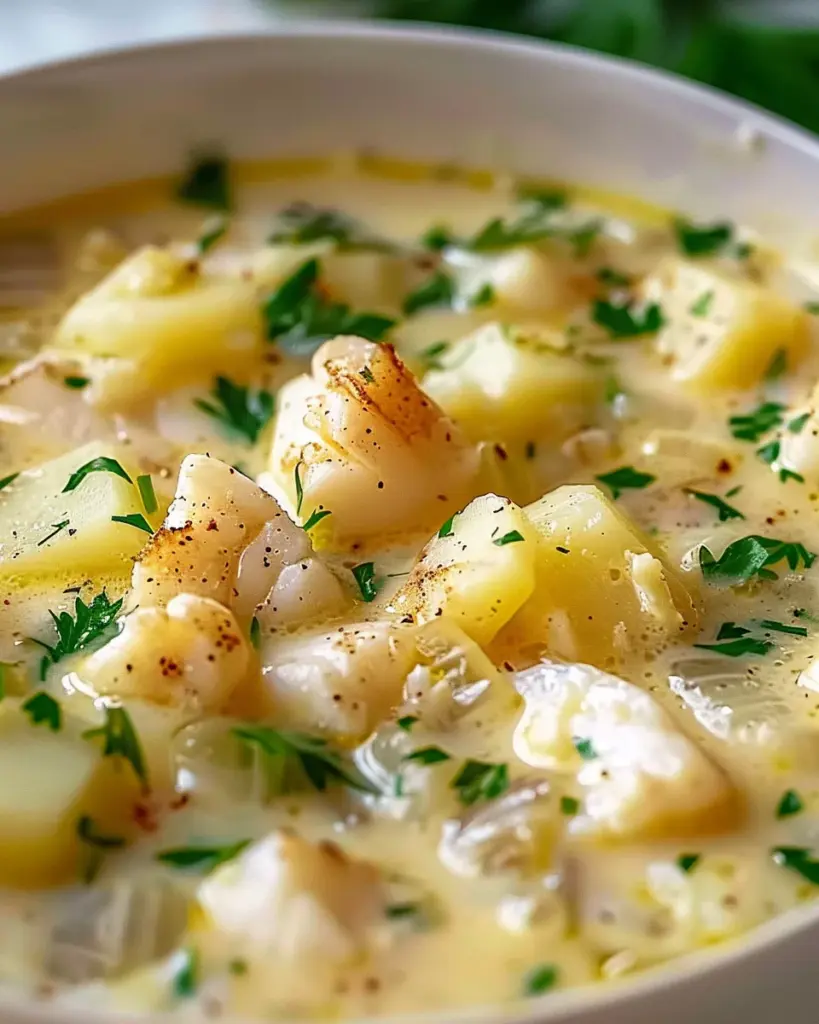
Storage Instructions
- Store in an airtight container in the refrigerator for up to 4 days; best within 24 hours for peak flavor.
- Remove fish bones and large potato chunks if storing for longer periods.
- Keep bread and sides separate to maintain texture and freshness.
Reheating Instructions
- Reheat gently on low to medium heat; avoid boiling to preserve fish texture.
- Add a splash of water or reserved stock if soup has thickened.
- Add fresh herbs, lemon, and a drizzle of olive oil after reheating.
- Do not reheat fish more than once; add fresh fish pieces if preparing multiple portions.
- Taste and adjust seasoning after reheating, as flavors may concentrate in storage.
Frequently Asked Questions (FAQs)
Q1: What kind of fish is best for Ukha?
- Freshwater fish such as pike, perch, or sturgeon are traditional. Salmon or trout also work well.
Q2: Can I use fish fillets instead of a whole fish?
- Yes, but the stock will be less rich. Add fillets at the end to avoid overcooking.
Q3: My broth is cloudy. How can I make it clear?
- Simmer gently, skim foam during cooking, and strain through a fine sieve or cheesecloth.
Q4: Can I make a vegetarian version?
- Traditional Ukha relies on fish stock, but a vegetable or seafood stock variation is possible, though it will not be classic Ukha.
Q5: Can Ukha be frozen?
- Yes, cool completely, remove bones, and store in a freezer-safe container for up to 3 months. Thaw in the fridge and reheat gently.
Q6: When should I add herbs and lemon?
- Add just before serving to preserve freshness and flavor.
Q7: Why is olive oil used in the recipe?
- Olive oil adds richness and a subtle fruity note, enhancing the mouthfeel and finishing the soup.
Q8: How can I make Ukha faster?
- Use boneless fillets, skip making stock from bones, or use pre-made fish stock. Add vegetables first, fish toward the end.
Q9: What sides pair best with Ukha?
- Bread, light salads, pickled vegetables, or simple grain sides such as quinoa or buckwheat.
Q10: Can I add cream to Ukha?
- Yes, but it changes the soup from a clear broth to a richer, creamier version, which deviates from traditional Ukha.