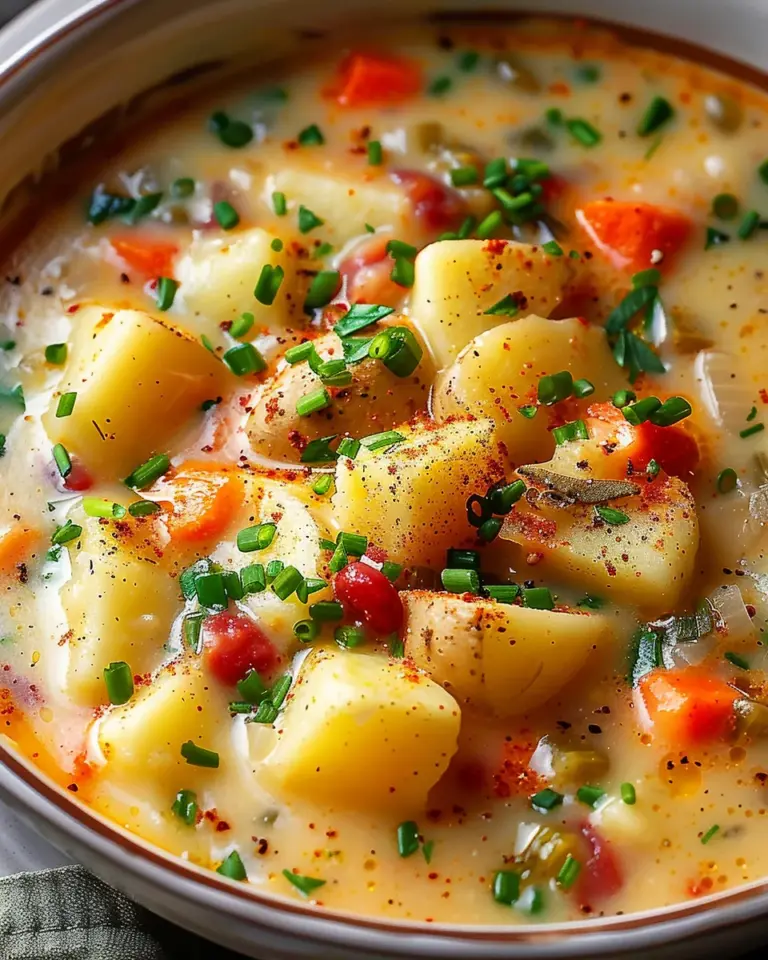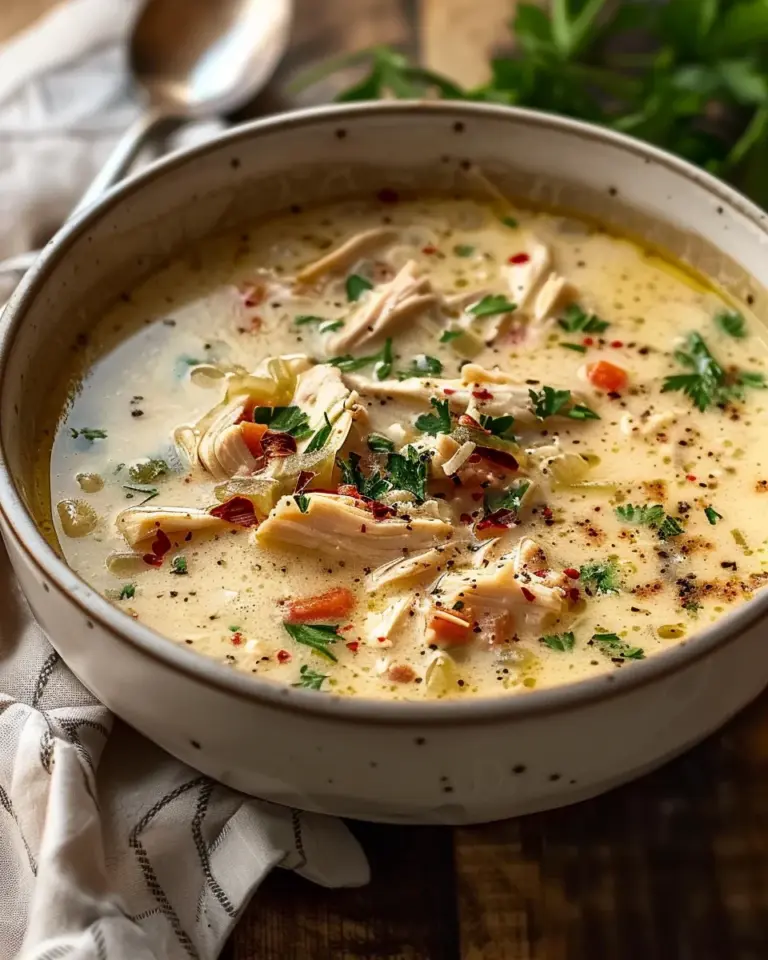
Delicious Fish Chowder Soup Recipe
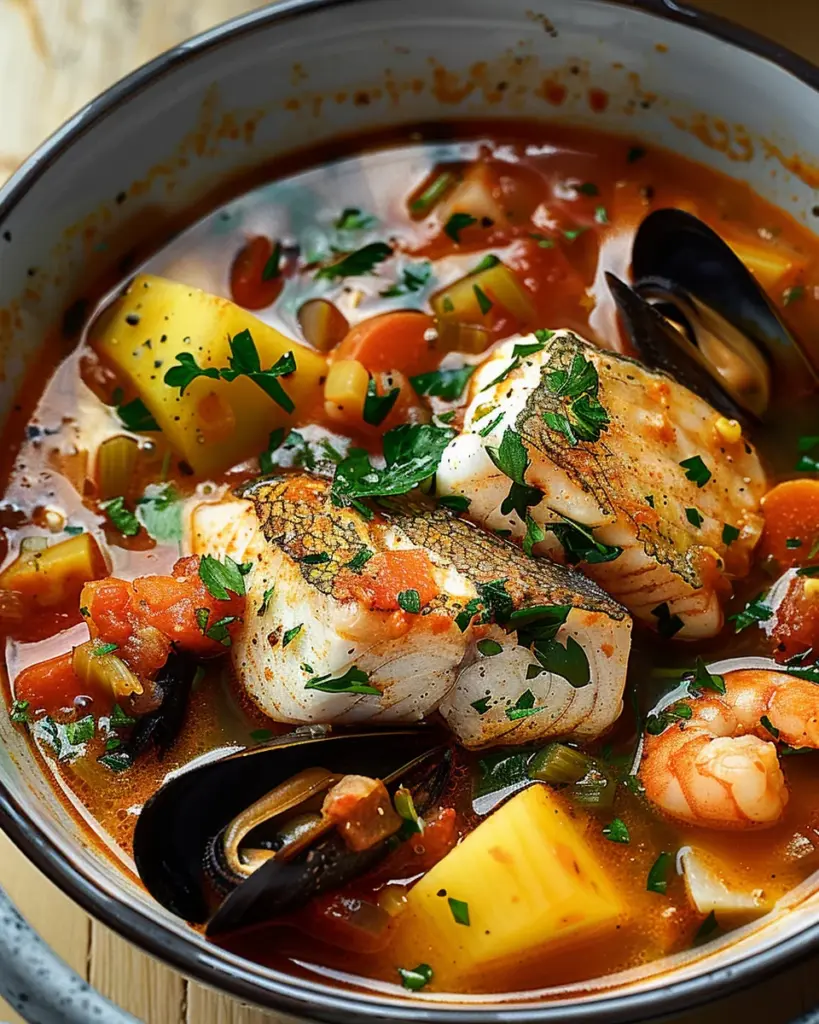
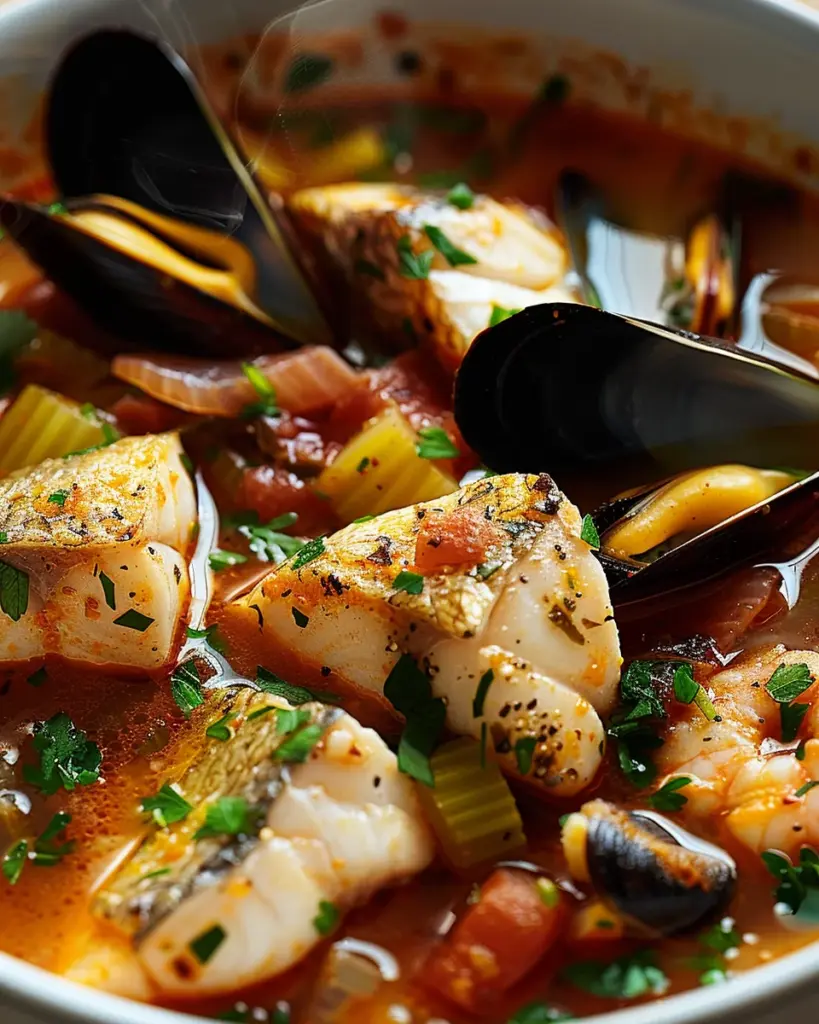
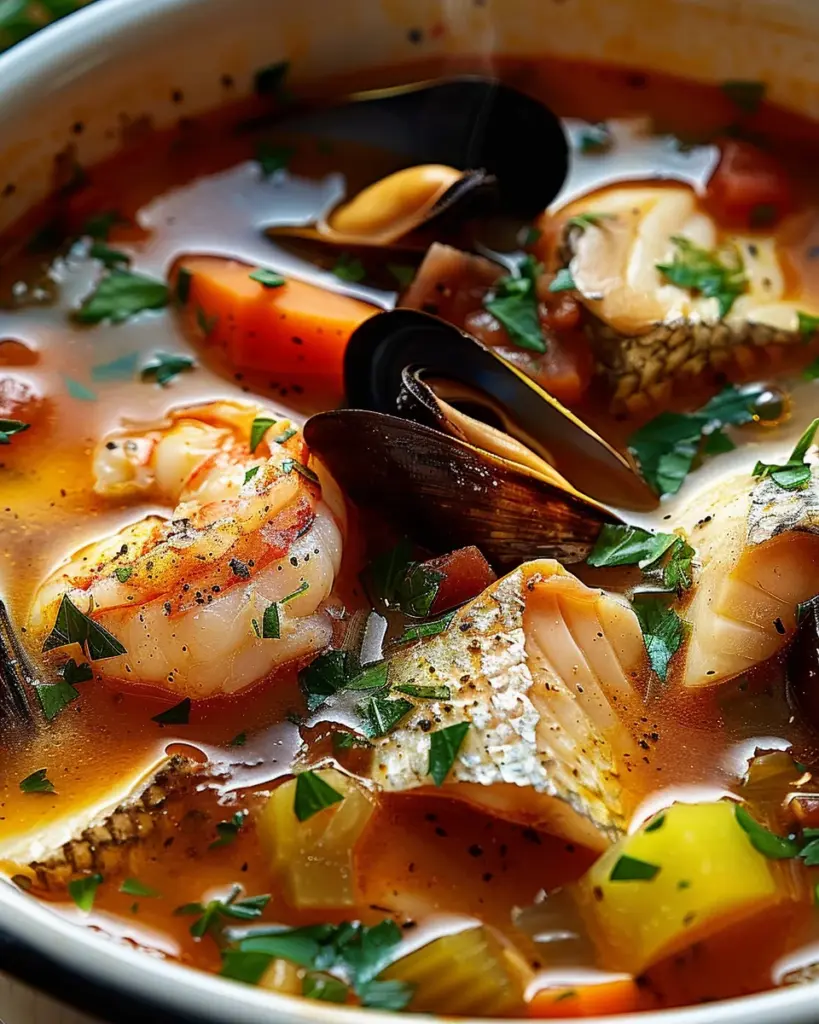
Delight in the heartwarming comfort of a creamy, fish chowder soup recipe—a timeless classic that brings together tender white fish, hearty vegetables, and a luxuriously smooth broth. Perfect for chilly evenings, cozy family dinners, or a nourishing midday meal, this chowder offers a rich, satisfying flavor profile that feels indulgent yet is incredibly simple to prepare.
What makes this dish stand out is its perfect balance of creamy texture and seafood essence. The sweet pop of corn, the subtle bite of garlic, and the earthiness of potatoes harmonize beautifully with the mild flakiness of white fish. It’s adaptable too—whether you prefer cod, haddock, or even a seafood medley, this recipe allows for easy customization to suit your tastes.
Why readers will love this fish chowder soup recipe:
- It’s easy to make with accessible ingredients.
- Requires just 30 minutes from start to finish.
- Deliciously creamy and satisfying without being overly rich.
- Versatile—add shrimp, scallops, or even go dairy-free with simple swaps.
- Pairs beautifully with crusty bread or a fresh salad.
Let’s dive into the preparation phase to ensure your cooking process is seamless and enjoyable.
Preparation Phase & Tools to Use
Essential Tools and Equipment
To prepare this creamy fish chowder soup recipe, make sure you have the following kitchen tools on hand:
- Large heavy-bottomed pot or Dutch oven – Provides even heat distribution to avoid scorching.
- Sharp chef’s knife – Ensures clean cuts of fish and vegetables for even cooking.
- Cutting board – Preferably non-slip for safety during prep.
- Measuring cups and spoons – Ensures ingredient accuracy.
- Wooden spoon or silicone spatula – Helps mix ingredients without scratching your pot.
- Slotted spoon or fish spatula – Useful for gently folding in the fish without breaking it apart.
- Ladle – Makes serving the chowder neat and easy.
Importance of Each Tool
- A Dutch oven or similar pot is essential to maintain a gentle simmer and prevent cream or milk from curdling.
- A sharp knife is necessary for handling delicate fish without tearing the flesh.
- Using precise measuring tools ensures consistency and avoids overpowering any flavor.
- A slotted spoon helps preserve the texture of tender fish when adding or stirring.
Preparation Tips
- Mise en place: Prep all ingredients before you begin cooking. This ensures a smooth cooking process and prevents overcooking.
- Use good-quality fish stock or clam juice for the richest flavor. Chicken stock is a suitable backup but adds a different profile.
- Don’t overcook the fish. Add it toward the end of cooking to retain a soft, flaky texture.
- If you’re using dry white wine, allow it to simmer and reduce fully to deepen flavor without retaining alcohol.
- Always simmer gently after adding dairy to avoid curdling or separating.
Ingredients
Below is a complete list of ingredients, categorized for clarity.
Dairy and Fats
- 40g (3 tablespoons) unsalted butter
- 3 cups (750 ml) milk (any fat percentage)
Aromatics and Vegetables
- 2 garlic cloves, minced
- 1 small onion, finely chopped
- 2 small carrots, halved and sliced into 0.5 cm (1/5 inch) pieces
- 2 cups potatoes, cubed (approximately 1 large potato)
- 1 cup corn (frozen or canned, drained)
- 1 cup frozen peas
Liquids and Thickening Agents
- 1/2 cup (125 ml) dry white wine (optional)
- 1/4 cup (35g) all-purpose flour
- 2 cups (500 ml) fish stock, clam juice, or low-sodium chicken stock
- 1/2 teaspoon salt (plus more to taste)
- Finely ground black pepper, to taste
Protein
- 600g (1.2 lb) skinless white fish fillets (e.g., cod or haddock), cut into 2 cm pieces
Garnish (Optional)
- Finely sliced green onions
- Crusty bread (for serving)
Step-by-Step Directions
Step 1: Melt the Butter
In a large pot, melt the unsalted butter over medium heat until fully liquefied and slightly bubbly.
Step 2: Sauté Aromatics
Add the minced garlic and chopped onion. Cook for 5 minutes, stirring occasionally, until softened and translucent but not browned.
Step 3: Add Carrots
Stir in the carrots and cook for 2–3 minutes until they begin to soften. This adds a subtle sweetness to the base.
Step 4: Incorporate Wine (Optional)
Increase the heat to high. Pour in the white wine and let it simmer briskly for 2–3 minutes, reducing the liquid and enhancing flavor depth. Skip this step if not using wine.
Step 5: Add Flour (Create a Roux)
Sprinkle the flour over the mixture. Stir continuously for about 30 seconds, forming a thick, cohesive roux. This will act as the thickening base for the chowder.
Step 6: Add Liquid Ingredients
Gradually pour in the fish stock or clam juice while stirring to prevent lumps. Follow with the milk, stirring until the mixture is smooth and fully combined.
Step 7: Combine Vegetables
Add the cubed potatoes, corn, salt, and black pepper. Stir well and bring the mixture to a gentle simmer over medium heat.
Step 8: Simmer Until Tender
Reduce heat to maintain a soft simmer. Cook uncovered for about 8 minutes, or until potatoes are nearly tender.
Step 9: Add Fish and Peas
Gently stir in the fish pieces and frozen peas. Continue to simmer for 3 minutes, or until the fish is opaque and flakes easily with a fork.
Step 10: Adjust Seasoning
Taste the chowder and adjust with more salt or pepper as needed. If too thick, thin with a small amount of water or milk.
Step 11: Serve and Garnish
Ladle the hot chowder into bowls. Garnish with finely chopped green onions. Serve with slices of crusty bread for dipping.
Serving Suggestions
A warm bowl of fish chowder soup is hearty enough to stand alone but can be elevated with thoughtful pairings and presentation. Whether you’re serving it for a casual weeknight dinner or a comforting meal on a rainy day, here are several ways to enjoy it at its best.
- As a main course: Serve generous portions in deep bowls with crusty bread on the side.
- As an appetizer: Offer smaller servings in ramekins or soup cups before a main entrée.
- With toppings: Add freshly cracked black pepper, a swirl of cream, or chopped parsley or green onions for a touch of color and freshness.
- With bread: A loaf of rustic sourdough or buttery garlic bread perfectly complements the creamy soup texture.
- Beverage pairing: A glass of chilled dry white wine or sparkling water with lemon adds a refreshing contrast to the creamy chowder.
- Special occasion upgrade: Add a spoonful of lump crab meat or a drizzle of truffle oil to each serving for extra luxury.
The mild, creamy nature of this chowder also makes it a great canvas for additions. Try adding a dash of hot sauce or a sprinkle of smoked paprika for depth and complexity.
Common Mistakes to Avoid and How to Perfect the Recipe
While this creamy fish chowder soup recipe is beginner-friendly, a few missteps can affect the final result. Avoid these common mistakes to ensure a perfect batch every time.
Overcooking the Fish
Problem: Overcooked fish becomes rubbery and loses its delicate texture.
Solution: Add fish near the end of the cooking process and simmer gently for only a few minutes. The residual heat will finish cooking it perfectly.
Boiling After Adding Dairy
Problem: High heat can cause milk to curdle or separate, ruining the creamy texture.
Solution: Maintain a gentle simmer and reduce heat before adding milk. Stir continuously to integrate dairy smoothly.
Skipping the Roux or Thickening Agent
Problem: Without a thickener, the chowder may be watery and lack body.
Solution: Use a flour-based roux as detailed in the instructions. If gluten-free, opt for cornstarch or arrowroot slurry.
Using Weak Stock or No Seafood Base
Problem: The chowder may taste bland or flat without a strong base.
Solution: Use fish stock or clam juice for authentic seafood flavor. If using chicken stock, enhance it with a splash of fish sauce or extra herbs.
Adding All Ingredients at Once
Problem: Ingredients cook at different rates, leading to uneven textures.
Solution: Follow the recommended sequence. Start with aromatics, then add vegetables, and add fish last.
Under-seasoning the Chowder
Problem: The flavor can feel muted, especially since potatoes absorb salt.
Solution: Taste frequently and season gradually throughout the cooking process, especially after adding new ingredients.
Improper Vegetable Cuts
Problem: Uneven chunks can cause some pieces to overcook while others remain raw.
Solution: Chop vegetables uniformly. Potatoes and carrots should be cut to similar sizes for even doneness.
Using Fish That Falls Apart Easily
Problem: Some fish disintegrate quickly in hot liquids, making the chowder cloudy or mushy.
Solution: Choose firm white fish like cod, haddock, or halibut. Cut into medium-sized pieces (about 2 cm) for best results.
Side Dish Recommendations
Enhance your fish chowder soup recipe with sides that provide contrast in flavor, texture, or temperature. These options complement the creamy, savory profile of the chowder without overpowering it.
1. Artisan Crusty Bread
A classic pairing. The chewy crust and soft interior of artisan bread make it ideal for soaking up every bit of the rich broth.
Tip: Warm in the oven just before serving for extra crunch.
2. Garlic Bread
Buttery, garlicky slices of bread bring bold flavor that contrasts beautifully with the mellow chowder.
Variation: Try garlic knots or a baguette with garlic herb butter.
3. Simple Green Salad with Vinaigrette
A light, tangy salad made with arugula or mixed greens helps balance the richness of the chowder.
Dressing idea: Lemon vinaigrette or balsamic vinaigrette.
4. Roasted Brussels Sprouts with Parmesan
Crispy, slightly bitter Brussels sprouts topped with Parmesan provide a savory side with texture and contrast.
Prep tip: Roast at high heat (425°F) for caramelization.
5. Steamed Asparagus with Lemon Zest
This side dish adds a fresh, zesty flavor and lightness to the meal.
Optional: Top with a drizzle of olive oil and a sprinkle of sea salt.
6. Herbed Rice Pilaf
A lightly seasoned rice dish with parsley, chives, or dill pairs well with chowder and adds subtle herbal notes.
Add-in: Toasted pine nuts or slivered almonds for crunch.
7. Cheddar Biscuits
Soft, cheesy biscuits make an indulgent companion to the chowder and are perfect for dipping.
Variation: Add jalapeños for a spicy kick.
8. Citrus Arugula and Fennel Salad
This refreshing salad with arugula, shaved fennel, and orange segments offers acidity and brightness that lift the creamy dish.
Dressing suggestion: Olive oil and orange juice vinaigrette.
Each of these sides brings something unique—whether it’s texture, acidity, or aroma—to the meal. Choose one or two based on the occasion and your flavor preferences.
Recipe Tips
Elevate your fish chowder soup recipe with these practical tips to improve flavor, texture, and presentation:
- Use firm white fish: Cod, haddock, halibut, or pollock hold their shape best and don’t break down easily.
- Don’t rush the roux: Allow the flour to cook fully before adding liquid. This prevents a raw flour taste and ensures a smooth texture.
- Simmer, don’t boil: A gentle simmer maintains the integrity of the milk and fish. Boiling can cause separation or curdling.
- Prep ingredients before cooking: This helps streamline the process and prevents overcooking as the chowder comes together quickly.
- Adjust seasoning in stages: Add salt in layers—after the potatoes, after the fish, and finally at the end—to prevent under-seasoning.
- Enhance depth with seafood flavor: If fish stock or clam juice is unavailable, a dash of fish sauce can add umami.
- Add herbs at the end: Fresh dill, parsley, or thyme added at the final stage provide brightness without overpowering the chowder.
- For a dairy-free version: Use unsweetened almond milk, oat milk, or coconut milk along with a cornstarch slurry for thickening.
- For gluten-free diets: Replace flour with cornstarch or arrowroot powder mixed with water before adding to the chowder.
Storage Instructions
Proper storage ensures your chowder remains safe and flavorful for leftovers:
- Refrigeration: Store the chowder in an airtight container in the refrigerator for up to 3 days.
- Avoid freezing: Creamy chowders generally do not freeze well. The texture may become grainy or separate upon thawing.
Reheating Instructions
To preserve the chowder’s creamy consistency:
- Stovetop method: Warm gently over low heat in a saucepan, stirring often. Avoid bringing it to a boil.
- Microwave method: Heat in 30-second intervals at medium power, stirring between rounds.
- Adjust texture if needed: Add a splash of milk or stock if the chowder has thickened in the fridge.
- Garnish after reheating: Reapply toppings like green onions or herbs fresh to restore visual appeal.
Frequently Asked Questions (FAQs)
Can I use other types of fish?
Yes. Any firm, white-fleshed fish such as cod, haddock, halibut, or tilapia works well. Avoid delicate fish that fall apart easily during simmering.
Is white wine necessary for this recipe?
No. The wine is optional. It adds depth and complexity but can be substituted with extra stock or omitted entirely.
Can I make this chowder dairy-free?
Yes. Substitute the milk with a plant-based option like almond, oat, or coconut milk. Use cornstarch or arrowroot to thicken the chowder.
How do I adjust the thickness?
If the chowder is too thick, stir in more milk or broth until the desired consistency is reached. If too thin, simmer a few more minutes or add a cornstarch slurry.
Can I add shellfish to the chowder?
Yes. Shrimp, scallops, or even crab meat can be added. Add shellfish near the end of cooking and simmer only briefly to prevent overcooking.
How long does the chowder last in the fridge?
Stored properly, the chowder can last up to 3 days in the refrigerator. Make sure to cool it quickly and store it in a sealed container.
Can I freeze fish chowder?
Freezing is not recommended due to potential separation of the creamy base and changes in texture. If freezing is necessary, reheat gently and stir well to restore consistency.
What can I serve with this chowder?
Crusty bread, green salads, or roasted vegetables are ideal accompaniments. See the detailed side dish section for more pairing ideas.
How do I keep fish from falling apart?
Use firm fish and cut it into moderate-sized chunks. Add it toward the end of cooking and stir gently to preserve texture.
What herbs pair well with fish chowder?
Fresh dill, parsley, chives, and thyme are excellent additions. Add just before serving to retain their flavor and color.