easy Minestrone Soup
Minestrone Soup is a wholesome, vegetable-packed Italian soup made with a rich tomato broth, hearty beans, and tender pasta. It’s one of those comforting dishes that feels both nourishing and indulgent, perfect for weeknight dinners or cozy weekend lunches.
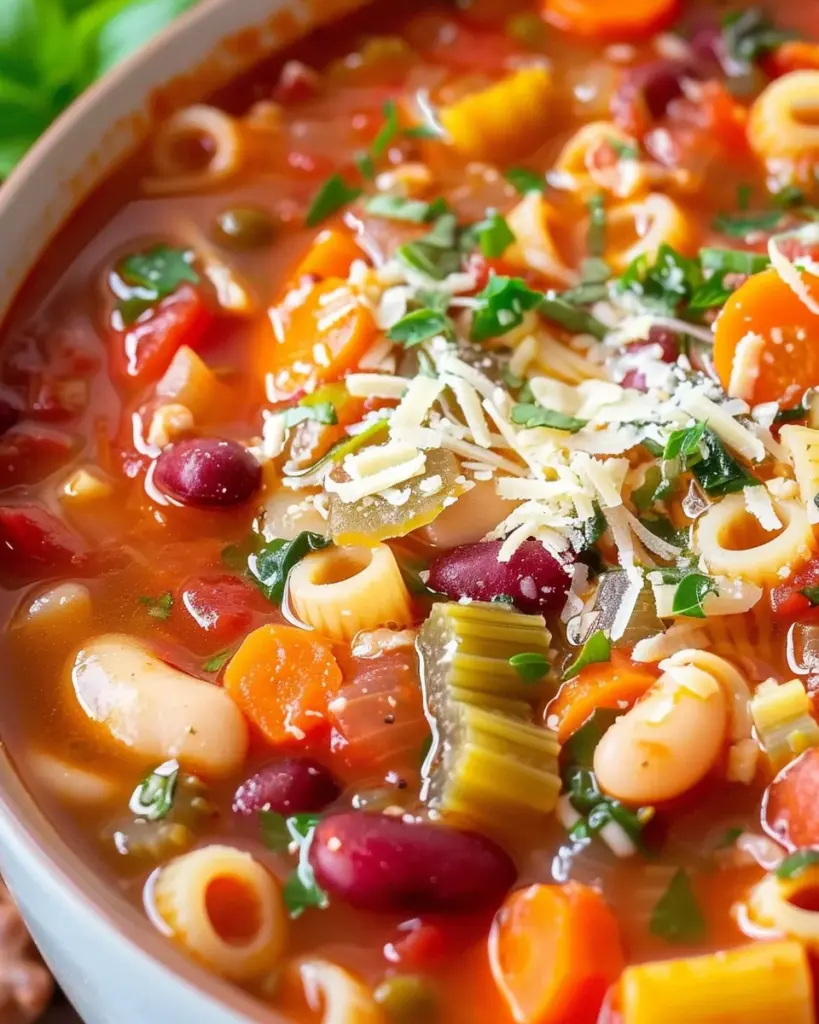
This recipe blends the best of Italian flavors with the simplicity of a one-pot meal. It’s flexible, forgiving, and incredibly satisfying. Whether you’re looking to use up leftover vegetables or prepare a large batch for meal prep, this minestrone recipe delivers robust flavor and outstanding texture.
Why You’ll Love This Minestrone Soup Recipe
- Customizable and seasonal – Easily adaptable based on what vegetables are in season.
- One-pot simplicity – Less cleanup and more flavor with every simmer.
- Great for meal prep – It stores and reheats beautifully.
- Comforting and hearty – A fiber- and protein-rich option that keeps you full.
- Vegetarian-friendly – Easily made vegan or gluten-free with simple swaps.
Preparation Phase & Tools to Use
A successful Minestrone Soup recipe starts with the right preparation and equipment.
Essential Tools and Equipment
To make this soup efficiently and safely, gather the following:
- Large soup pot or Dutch oven – Ensures even heat distribution.
- Wooden spoon or silicone spatula – Ideal for stirring and sautéing.
- Chopping board and sharp knife – For prepping vegetables quickly and safely.
- Measuring cups and spoons – For accuracy with broth, pasta, and seasonings.
- Colander – Useful for draining canned beans and rinsing vegetables.
- Ladle – For easy serving.
- Serving bowls – Deep enough to hold broth, beans, pasta, and toppings.
Importance of Each Tool
Each piece of equipment plays a crucial role. A quality soup pot prevents scorching and helps flavors meld over low heat. A sharp knife ensures even vegetable cuts, which cook uniformly. Measuring tools help maintain recipe balance, while a ladle allows clean, consistent portioning.
Preparation Tips
- Chop all vegetables before starting to cook.
- Drain and rinse canned beans to reduce excess sodium.
- Pre-measure liquids for a smoother cooking process.
- Grate Parmesan and wash fresh basil in advance if using.
- Have extra broth ready for thinning the soup if needed later.
Ingredient List
Here’s what you’ll need to prepare this nourishing Minestrone Soup soup:
Core Ingredients
- 1 tablespoon olive oil
- 1 tablespoon butter
- 1 medium onion, chopped
- 2 sticks celery, chopped
- 3 medium carrots, peeled and sliced
- 3 cloves garlic, minced
- 1 (28 oz) can crushed tomatoes
- 4 cups chicken broth (or vegetable broth for a vegetarian version)
- 1 small zucchini, chopped
- 1 cup fresh green beans, chopped
- 1 (14 oz) can red kidney beans, drained and rinsed
- 1 (14 oz) can white kidney beans (cannellini), drained and rinsed
- ½ teaspoon Italian seasoning
- ¾ cup elbow macaroni, uncooked
- Salt and pepper, to taste
Optional Toppings
- Fresh basil, to taste
- Freshly grated Parmesan cheese, to taste
Step-by-Step Directions
Follow these simple steps to make a perfectly balanced and flavorful Minestrone Soup :
- Sauté the base vegetables
Heat the olive oil and butter in a large soup pot over medium heat. Add the chopped onion, celery, carrots, and minced garlic. Sauté for 7 to 10 minutes, stirring occasionally, until vegetables are soft and fragrant.- Tip: Let the onions turn translucent for the most flavor.
- Add liquids and hearty vegetables
Pour in the crushed tomatoes and broth. Add zucchini, green beans, red kidney beans, white kidney beans, and Italian seasoning. Increase heat to high and bring to a boil.- Tip: If you’re using a Parmesan rind, add it at this stage for a richer flavor.
- Simmer the soup
Once boiling, reduce the heat to low and partially cover the pot. Let it simmer for 10 minutes to allow the vegetables to soften and flavors to blend. - Add pasta
Stir in the uncooked elbow macaroni. Continue simmering the soup uncovered for another 15–20 minutes, or until the pasta and vegetables are tender. Stir occasionally to prevent pasta from sticking.- Variation: For make-ahead or freezer prep, cook the pasta separately and add it when reheating.
- Season and serve
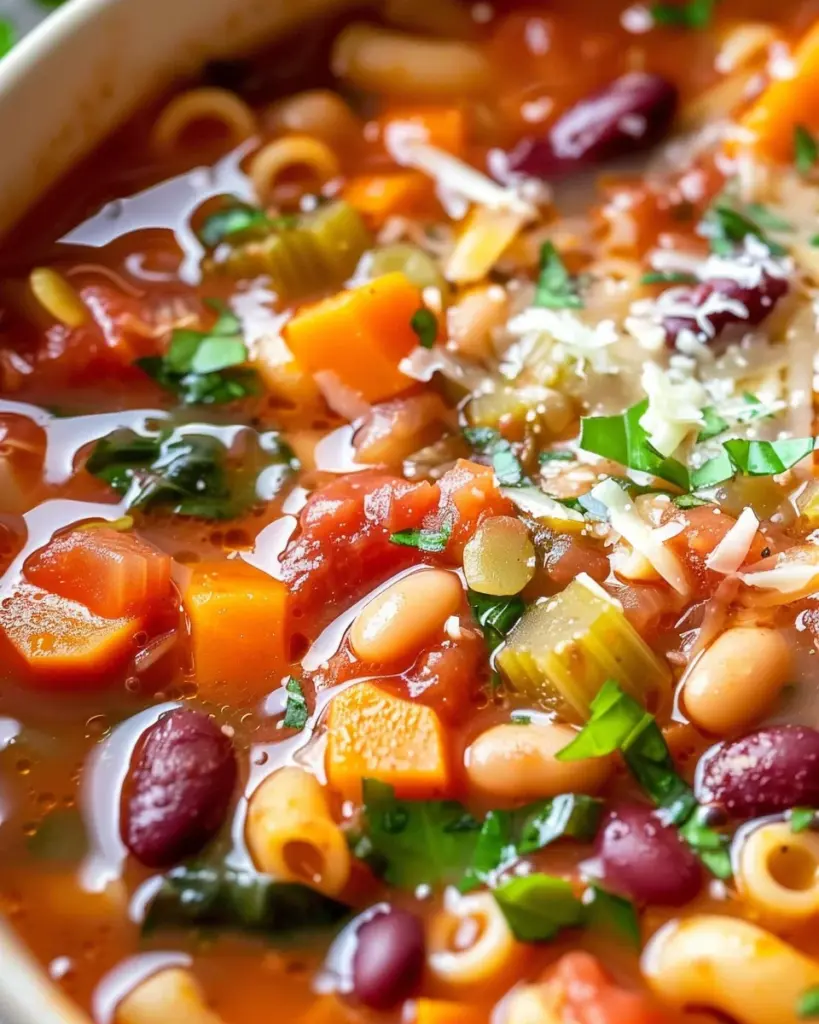
Taste the soup and adjust with salt and pepper as needed. Stir in fresh basil if using. Serve hot in bowls and top with freshly grated or shaved Parmesan cheese.- Tip: If the soup thickens too much, add a splash of broth to adjust consistency.
Serving Suggestions
A steaming bowl of Minestrone Soup is satisfying on its own, but pairing it with the right accompaniments can elevate the experience. From crusty bread to fresh salads, you can tailor the meal depending on the season, occasion, or your guests.
Best Ways to Serve Minestrone Soup
- In warm, deep bowls to hold plenty of broth, vegetables, beans, and pasta.
- Garnished with freshly grated Parmesan, a drizzle of extra virgin olive oil, or a sprinkle of red pepper flakes for heat.
- Topped with fresh basil leaves for a fresh herbal note.
- Served with toasted bread or garlic baguette on the side for dipping.
- With a light salad or roasted vegetables for a balanced meal.
Ideal Occasions for Serving
- Weeknight family dinners
- Lunch meal prep in airtight containers
- Comfort food for cold weather
- Vegetarian-friendly gatherings
- Budget-friendly dinners for large groups
Keep a little extra broth on hand when serving leftovers, as the pasta will continue to absorb liquid after refrigeration. A quick splash before reheating can return the soup to its ideal consistency.
Common Mistakes to Avoid & How to Perfect the Recipe
Even a simple soup like Minestrone Soup can go wrong without careful attention to timing, textures, and ingredients. Below are the most frequent mistakes — and how to avoid them.
Mistake 1: Overcooking the Pasta
Problem: Pasta becomes mushy or breaks apart in leftovers.
Solution: Add pasta only during the final simmer. If planning to store or freeze soup, cook pasta separately and add it when reheating.
Mistake 2: Skipping the Aromatic Base
Problem: Soup lacks flavor and depth.
Solution: Always sauté onions, carrots, celery, and garlic until soft before adding liquids. This “soffritto” forms the flavor foundation.
Mistake 3: Using Too Many or Too Large Pasta Shapes
Problem: Large pasta overwhelms other ingredients.
Solution: Use small shapes like elbow macaroni, ditalini, or small shells. They cook faster and fit on a spoon.
Mistake 4: Overloading the Pot with Vegetables
Problem: Soup becomes crowded, unevenly cooked, or loses balance.
Solution: Stick to suggested portions, or increase broth if adding more vegetables. Cook denser vegetables longer and delicate ones later.
Mistake 5: Ignoring the Need for Seasoning Adjustments
Problem: Soup tastes bland.
Solution: Season gradually. Add salt after pasta is cooked, as pasta absorbs both broth and flavor. Use freshly ground black pepper and herbs to finish.
Mistake 6: Letting the Soup Sit Too Long Without Adjustments
Problem: Soup thickens too much.
Solution: Add extra broth or water when reheating. Stir occasionally to redistribute pasta and vegetables.
Mistake 7: Using Low-Quality Broth or Tomatoes
Problem: Flavor lacks richness.
Solution: Use high-quality canned tomatoes and flavorful broth (homemade or low-sodium store-bought). Add a Parmesan rind to simmer or a splash of red wine vinegar at the end.
Mistake 8: Skipping Optional Garnishes
Problem: Soup feels flat or one-dimensional.
Solution: Fresh basil, Parmesan, and a drizzle of olive oil can transform the final presentation and flavor. Don’t skip them if available.
Side Dish Recommendations
While Minestrone Soup is hearty enough to be a standalone dish, pairing it with the right sides can create a complete and memorable meal. Here are eight flavorful suggestions:
Crusty Garlic Bread
Perfect for dipping into the rich tomato broth. Buttered and toasted with minced garlic, this classic side complements the soup’s heartiness.
Simple Arugula Salad with Lemon Vinaigrette
A light, peppery salad with a bright citrus dressing helps balance the richness of the soup and adds a refreshing note.
Italian-Style Bruschetta
Toasted baguette slices topped with diced tomatoes, basil, garlic, and olive oil echo the Italian roots of Minestrone Soup .
Parmesan Polenta Squares
Soft, baked polenta cut into squares and topped with grated Parmesan offer a creamy contrast to the chunky soup.
Roasted Brussels Sprouts with Balsamic Glaze
Slightly charred Brussels sprouts finished with balsamic vinegar bring texture and a mild tang that complements the soup’s warmth.
Warm Farro or Quinoa Salad
A simple grain salad tossed with herbs, olive oil, and lemon enhances the meal’s nutrition and keeps it hearty yet light.
Mixed Green Salad with Pomegranate Seeds
A colorful salad with crisp greens, pomegranate seeds, and vinaigrette adds sweetness and crunch alongside the savory soup.
Classic Caesar Salad
For a more traditional side, a Caesar salad brings bold flavors and satisfying texture with romaine, croutons, and Parmesan.
Recipe Tips, Storage and Reheating Instructions
Making Minestrone Soup is simple, but these additional tips will help elevate the dish and ensure it tastes just as good the next day—or even next month if you freeze it.
Expert Recipe Tips
- Use Seasonal Vegetables
Adjust ingredients based on what’s available. In fall, try adding squash or sweet potatoes. In spring, include spinach or peas. This keeps the soup fresh and aligned with local produce. - Add a Parmesan Rind While Simmering
If you’re not making a vegan version, adding a Parmesan rind during cooking adds deep umami flavor and richness. - Don’t Overcook the Pasta
Undercook pasta slightly during initial cooking. It will continue to soften as it sits in the broth or is reheated. - Add a Splash of Vinegar Before Serving
A small amount of red wine vinegar or balsamic vinegar at the end brightens the flavors and balances the richness of the beans and broth. - Make It Gluten-Free
Substitute gluten-free pasta or small grains like quinoa or rice. Cook them separately and add when serving to prevent over-softening. - Vegan-Friendly Version
Use vegetable broth, skip the Parmesan, and add a vegan-friendly garnish like nutritional yeast or vegan cheese.
Storage Instructions
- Refrigeration
Allow the soup to cool slightly, then store in airtight containers in the refrigerator. It keeps well for up to 4 days.- Tip: Divide into meal-sized portions for easier access and faster reheating.
- Freezing
Freeze in airtight, freezer-safe containers. Best practice: leave out the pasta if freezing the soup, and add it freshly when reheating to preserve texture. Soup base freezes well for up to 3 months.- Tip: Label containers with the date and contents.

Reheating Instructions
- Stovetop Reheating
Reheat over medium heat, stirring occasionally. Add extra broth or water to thin the soup if it’s too thick. - Microwave Reheating
Microwave in 1-minute intervals, stirring between each, until heated through. Cover loosely to prevent splattering. - If Pasta Was Frozen in the Soup
Expect a softer texture. You may choose to scoop it out and add freshly cooked pasta instead for better consistency.
Frequently Asked Questions (FAQs)
Here are answers to the most common questions about Minestrone Soup:
Can I make this soup vegetarian or vegan?
Yes. Simply use vegetable broth instead of chicken broth. Omit Parmesan or replace it with a vegan alternative. Check pasta ingredients to ensure they’re egg-free for a vegan version.
What type of pasta is best for minestrone soup?
Small pasta shapes such as elbow macaroni, ditalini, orzo, or small shells work best. They cook quickly and absorb flavor without overpowering the soup.
Can I freeze minestrone soup with pasta?
Technically yes, but it’s not ideal. The pasta tends to get too soft when frozen and thawed. For best results, freeze the soup without the pasta and add freshly cooked pasta when serving.
How can I add more flavor to my soup?
Start with a flavorful sauté of onions, garlic, carrots, and celery. Use quality broth and tomatoes. Add a Parmesan rind, herbs like thyme or rosemary, and finish with a splash of vinegar or fresh lemon juice.
What vegetables can I swap in or out?
You can use almost any vegetable. Try adding:
- Spinach or kale (stir in at the end)
- Potatoes or sweet potatoes
- Corn, peas, or bell peppers
- Leeks or fennel for deeper flavor
How long does Minestrone Soup last in the fridge?
Up to 4 days if stored in a sealed container. Always reheat to a safe internal temperature and add broth if it has thickened.
Can I use dry beans instead of canned?
Yes. Soak and cook them ahead of time. Dried beans take longer but offer a firmer texture and slightly better flavor.
Can I make it in a slow cooker or Instant Pot?
Yes. Sauté aromatics first (if possible), then cook everything else together. For both methods, add pasta only at the end to avoid overcooking.
- Instant Pot: Pressure cook on high for 5 minutes.
- Slow Cooker: Cook on low for 6–8 hours or on high for 3–4 hours.
Is this soup gluten-free?
Not by default. To make it gluten-free, use certified gluten-free pasta or swap in rice, quinoa, or another gluten-free grain. Always double-check broth and canned ingredients for hidden gluten.